$800 to $3,500
One room, caught quickly
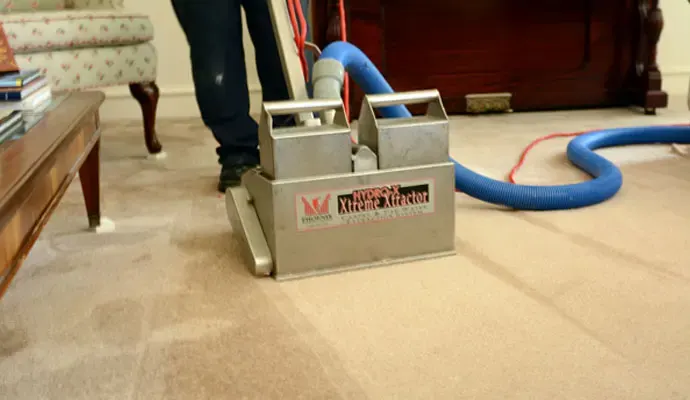
- Extraction and floor drying
- Toe kicks opened
- Two to four days
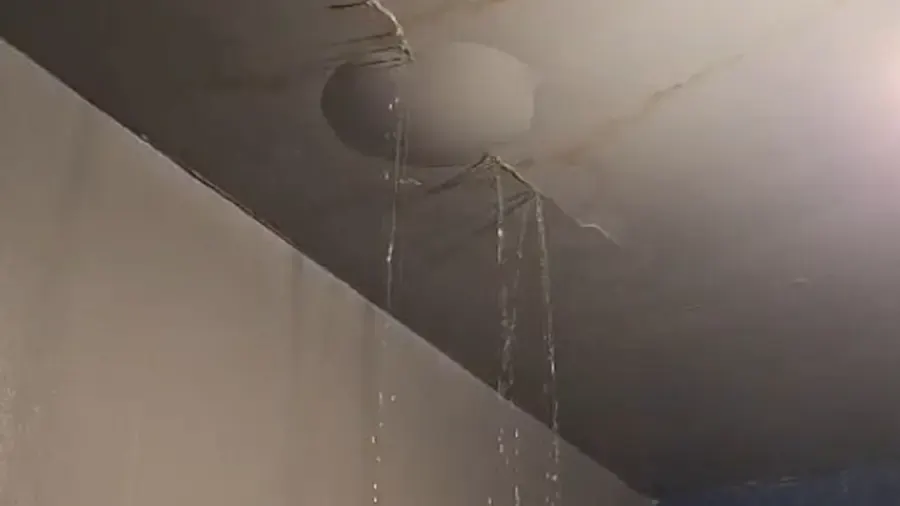
A burst washer hose or failed dishwasher line on the second or third floor soaks the floor and drops through the ceiling below. The restoration team extracts the water and dries both levels to a verified reading.
(888) 629-3140Appliance flooding the floor? Call now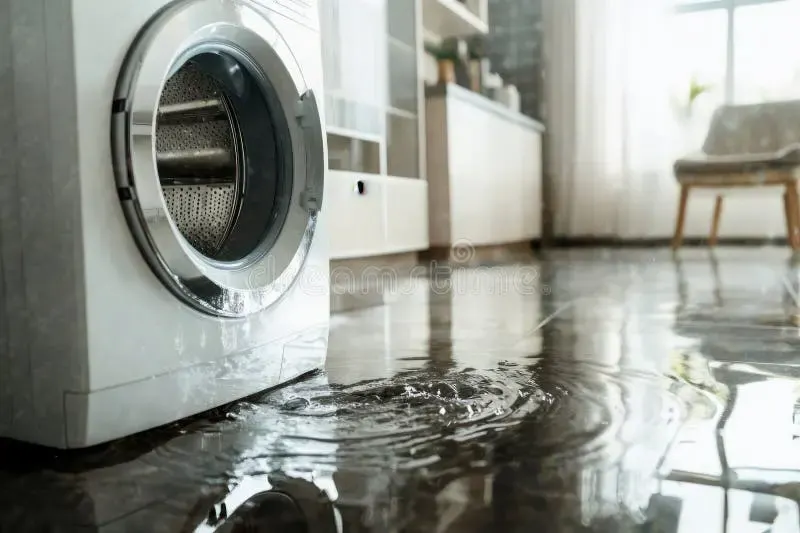
Close the washer supply valves or the valve under the sink; use the main if they will not close.
Only if the outlet and your hands are dry.
Water hides under dishwashers and cabinets; a flashlight shows how far it spread.
Check their ceiling, and photograph both units before anything is moved.
The response team works across Somerville day and night, since a failed hose runs until a valve is shut.
Cabinet bases, toe kicks and subfloor are dried, not just the visible floor.
The failed hose or part, the wet areas and readings in both units go into the file.
Upper-floor laundry and kitchens over another unit are the norm in local condos.
In Somerville, MA, washer and dishwasher leak cleanup typically runs $800 to $3,500 when water stays in the laundry area or kitchen and $3,500 to $10,000 when it reaches the ceiling and rooms of the unit below. Drain water versus supply water, how long it ran and whether cabinets were affected set the range.
For a planning number on your own loss, try the water damage cost calculator. The final figure comes from the on-site walkthrough and the moisture map.
Meters and thermal imaging trace water under the appliance, under cabinets and into the ceiling below.
The extraction crew removes water from floors, under cabinets and from any carpet below.
Toe kicks come off and small holes let air into cabinet bases and ceiling cavities.
Air movers and dehumidifiers run until both units read dry, with readings logged daily.
Washer and dishwasher leaks cause a large share of the water losses in Somerville condos. Many triple-deckers now have in-unit laundry on the second and third floors, often in a closet or kitchen that sits right above another owner's living room. When a rubber washer hose bursts or a dishwasher supply line lets go, water spreads under the appliance and cabinets and then drops through the floor.
Water from an appliance hides. It runs under cabinet bases, soaks the subfloor under vinyl or tile and shows up downstairs as a stain or a drip at a light fixture. The restoration team removes toe kicks and drills small holes to push dry air into cabinet bases, and dries the subfloor and ceiling below at the same time. Washer drain water is Category 2, so soaked porous materials such as carpet pad are removed rather than dried.
Braided stainless supply hoses, a drain pan with a leak sensor and closing the washer valves when away all reduce the risk. The Consumer Product Safety Commission lists appliance recalls, and the EPA WaterSense program covers efficient fixtures. For losses that reach the unit below, see condo unit leaks.
The Somerville restoration crew works 02143, 02144 and 02145, from Union Square and Winter Hill to Davis Square and Ten Hills, plus nearby Cambridge, Medford, Arlington, Charlestown, Everett.
See every Somerville neighborhood coveredRubber hoses are commonly replaced every five years or so. Braided stainless hoses last longer but still need checking.
Supply water is clean. Drain water from a wash cycle is Category 2 gray water, so soaked carpet and pad usually come out.
Water runs under the appliance and cabinets and through the subfloor, so the floor above can look dry while the ceiling below is soaked.
Usually not. Removing toe kicks and drying the cabinet bases with directed air often saves them.
That depends on the cause, the condo documents and each owner's policy. Both units are documented so the insurers can sort it out.
A sudden hose burst is commonly covered, while slow leaks over time may not be. Coverage depends on your policy, so it is worth checking with your own insurer.
Appliance water spreads under cabinets and into the ceiling below. Drying both floors together keeps the damage from growing.