$1,200 to $5,000
One or two rooms
- Extraction and drying in place
- Small access openings
- Three to five days
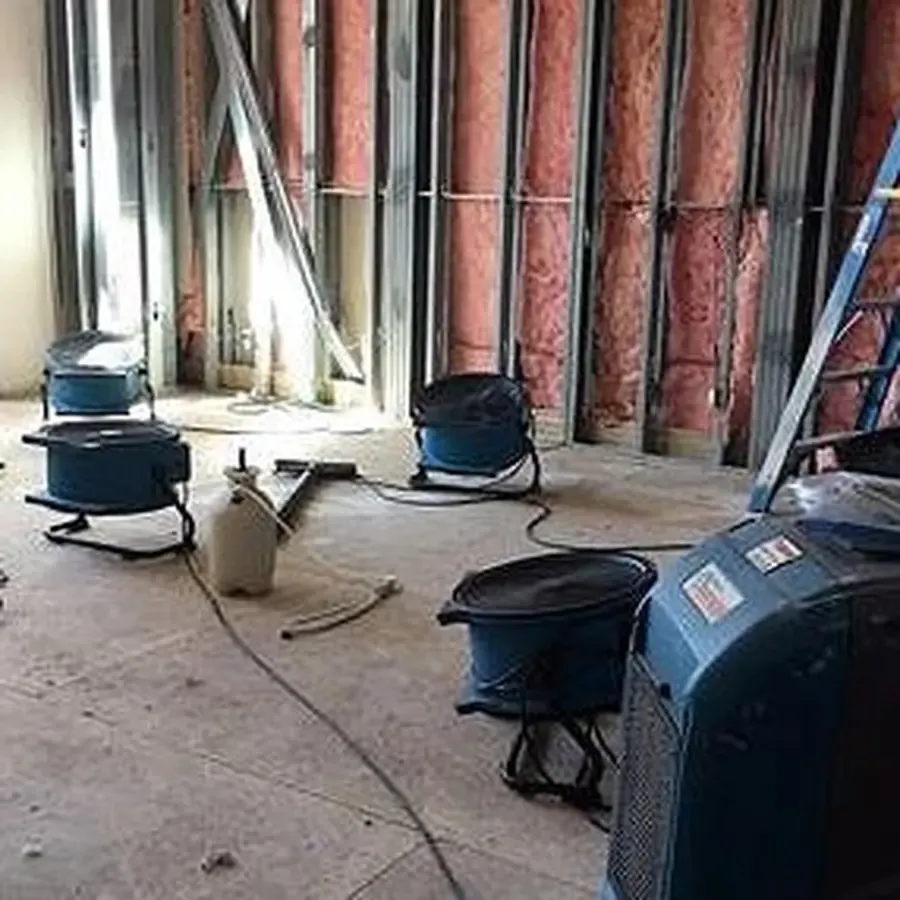
A burst supply pipe can move hundreds of gallons before anyone reaches the main. The extraction crew removes the water, opens only what readings demand and dries wall and ceiling cavities to a verified reading.
(888) 629-3140Pipe burst? Shut the main and call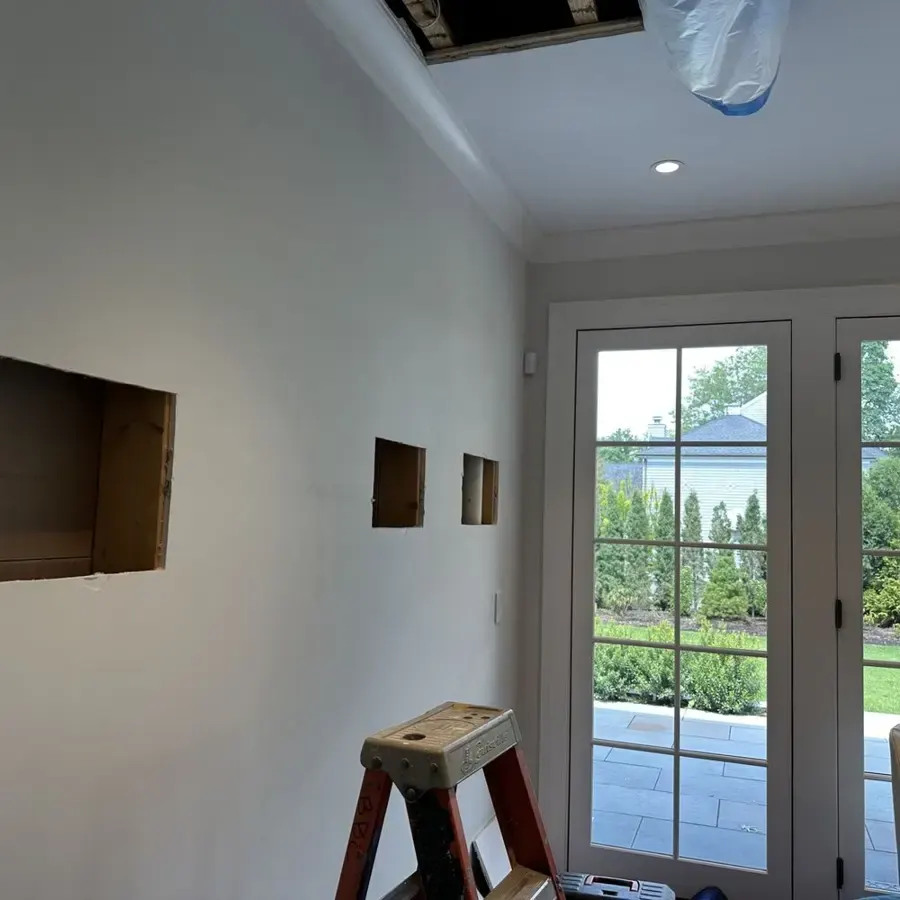
In most Somerville houses the main valve is on the basement wall facing the street.
Open a low faucet to take pressure off the break once the main is off.
Water in ceiling lights or outlets means those circuits go off at a dry panel.
Buckets under drips, then photos of every wet ceiling, wall and floor.
The response team works across Somerville day and night, so extraction starts before water drops another floor.
Wall and ceiling cavities are dried with directed air, not just the room around them.
The break, the wet areas and daily readings are recorded for the adjuster and the plumber.
Galvanized supply lines, plaster walls and stacked units are routine in local buildings.
In Somerville, MA, burst pipe water damage typically runs $1,200 to $5,000 when water stayed in one or two rooms and $5,000 to $14,000 when it came through ceilings into the unit or floor below. How long the pipe ran, the materials soaked and how many floors it reached set the number.
For a planning number on your own loss, try the water damage cost calculator. The final figure comes from the on-site walkthrough and the moisture map.
Thermal imaging and pinless meters show how far water ran inside walls, ceilings and under floors.
The extraction crew removes standing water, then opens access holes or a flood cut only where readings demand it.
Air movers, LGR dehumidifiers and cavity-drying setups push dry air into wall and ceiling spaces.
Daily readings continue until dry, then the file goes to the adjuster and the repair contractor.
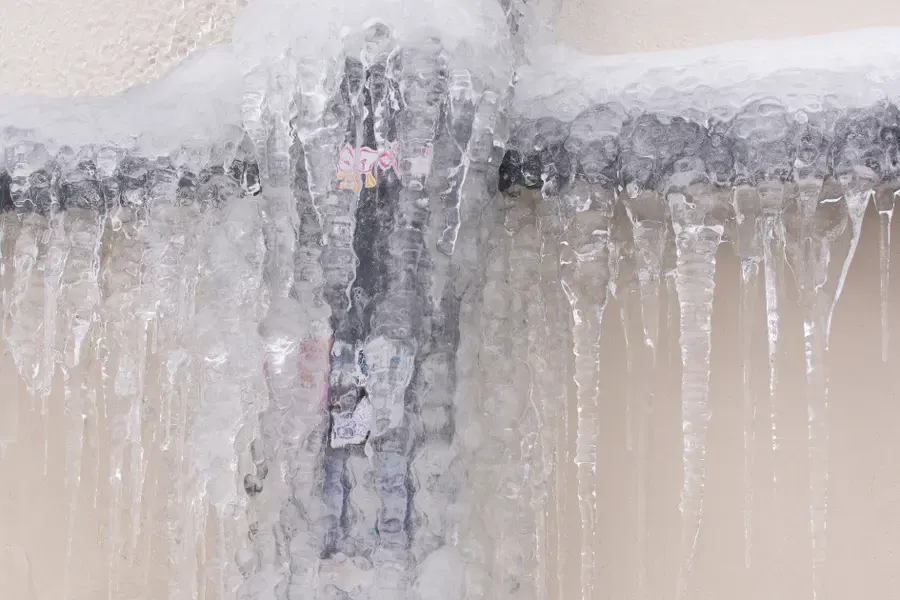
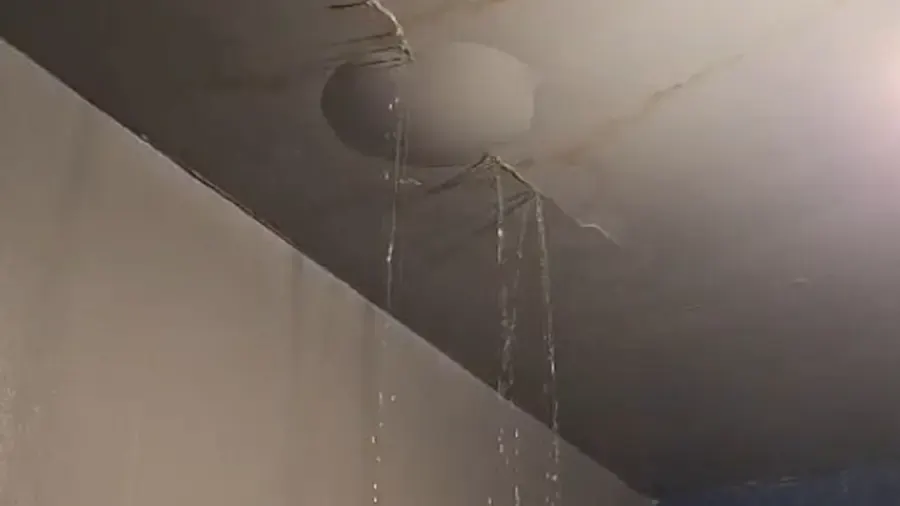
Burst pipe water damage in Somerville usually starts inside a wall or ceiling. Many buildings still carry galvanized steel supply pipe that corrodes from the inside, alongside older copper with worn joints and fittings. When a line lets go under pressure, water sprays into the cavity, soaks plaster and lath, and runs along the framing toward the floor below.
The visible stain is rarely the edge of the damage. The tech who does the walkthrough uses thermal imaging and pinless moisture meters to trace water through walls, ceilings and subfloor before any demolition. That moisture map decides what gets opened. Often a few drilled holes at the base of a wall or a small ceiling opening lets the drying team push air into the cavity without tearing out a whole room.
In a triple-decker split into condos, a break on the third floor becomes a ceiling leak on the second and first. Drying all affected units at the same time keeps the job and the documentation together. See condo unit leak water damage for how two owners' losses are handled.
The repair and the dry-out run side by side. Once the plumber repairs the pipe, the drying equipment stays until readings reach the goal. For winter-related breaks, see frozen pipe water damage. The Ready.gov winter weather page and the EPA WaterSense program offer tips on protecting and maintaining plumbing.
The Somerville restoration crew works 02143, 02144 and 02145, from Union Square and Winter Hill to Davis Square and Ten Hills, plus nearby Cambridge, Medford, Arlington, Charlestown, Everett.
See every Somerville neighborhood coveredUsually in the basement on the wall facing the street, where the water service enters. In a condo building, it may be in a shared basement.
Not always. When water was clean and drying starts early, small access openings and cavity drying often save plaster and drywall.
Galvanized steel corrodes from the inside over decades, which narrows the pipe and weakens threads and fittings until one fails.
Both units are dried together and documented as one loss, which helps both owners and their insurers.
A contained loss often dries in three to five days. Plaster, hardwood and multi-floor losses take longer; equipment leaves on readings.
Sudden and accidental discharge from a burst pipe is commonly covered after the deductible. Coverage depends on your policy, so it is worth checking with your own insurer.
Water inside plaster walls stays hidden. Thermal imaging and a moisture map find it before it reaches the floor below.