$1,200 to $4,500
One ceiling, one room
- Source tracing
- Ceiling cavity drying
- Three to five days
In a triple-decker split into condos, one leak becomes two or three owners' problem. The restoration team dries every affected unit together and documents each side for its own insurer.
(888) 629-3140Water through the ceiling? Call now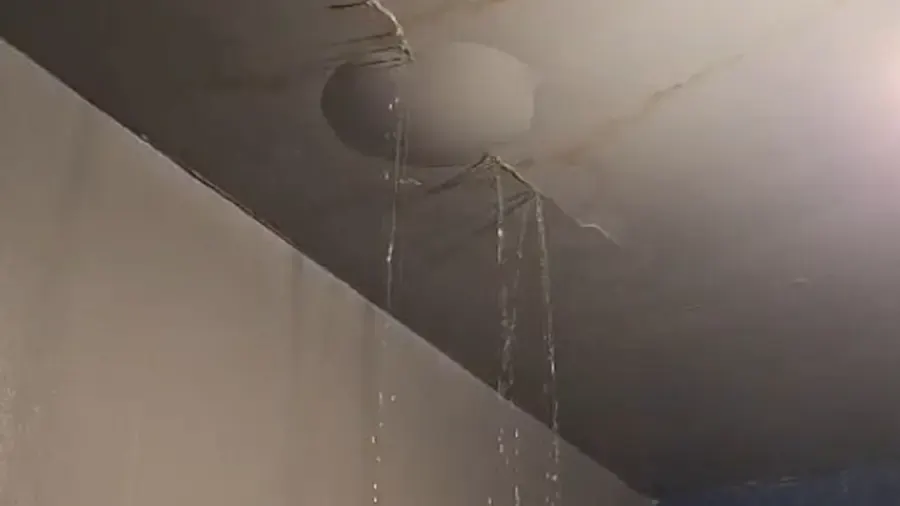
Ask the owner above to shut the fixture or their valve. If nobody is home, shut the building main.
Water in a ceiling fixture means that circuit goes off at the panel.
Buckets under drips. A sagging ceiling bulge should be left for the crew to relieve safely.
The ceiling, the floor above and the source; notify the condo association.
The response team works across Somerville day and night, so the source above gets found before more water drops.
The floor above, the ceiling cavity and the room below are dried as one system.
Each unit gets its own photos, moisture map and readings, so each owner's insurer sees its side.
Triple-decker condos, shared plumbing chases and plaster ceilings are everyday work here.
In Somerville, MA, condo unit leak cleanup typically runs $1,200 to $4,500 for a ceiling stain and one wet room below and $4,500 to $14,000 when water reaches several rooms or all three units in a stack. The source, how many units are involved and the ceiling and floor materials set the cost.
For a planning number on your own loss, try the water damage cost calculator. The final figure comes from the on-site walkthrough and the moisture map.
The tech who does the walkthrough follows the water up to its source with meters and thermal imaging.
Ceiling bulges are relieved safely, and the extraction crew removes water from floors in each unit.
Air movers and dehumidifiers dry the floor above, the ceiling cavity and the room below together.
Readings and photos are kept per unit for each owner and the association.
Condo unit leak water damage is a Somerville fact of life. A large share of the city's triple-deckers and two-families were converted into condos, so one building often has three owners stacked on top of each other, sharing plumbing chases, a roof and a basement. Water always moves down, so a leak in the top unit rarely stays there.
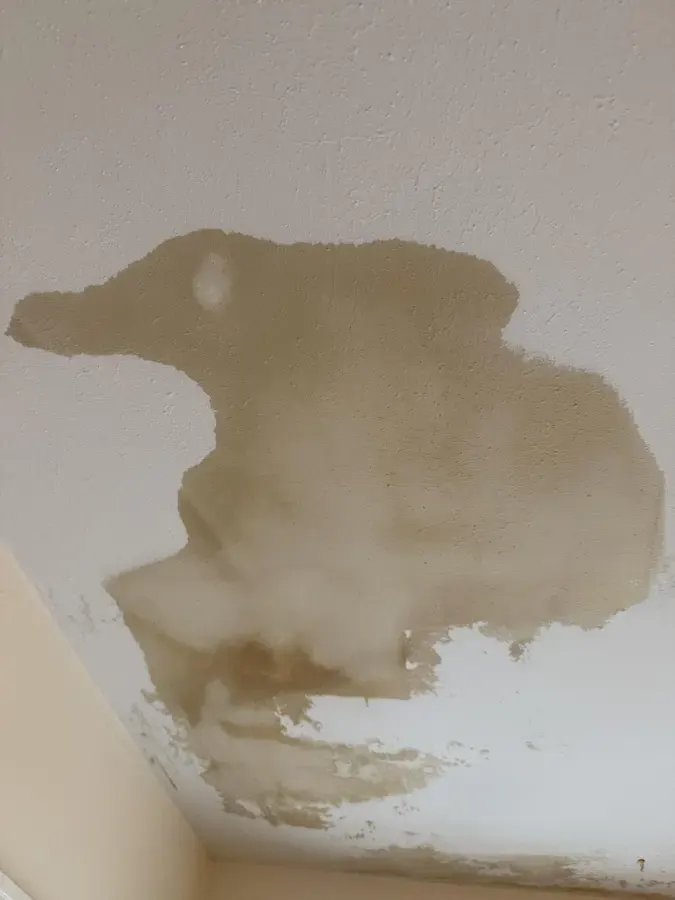
Plaster ceilings hold a lot of water and can sag before they fail. The restoration team relieves a bulge safely, maps moisture across the ceiling and the floor above, and dries the joist cavity between them with directed air and dehumidifiers. Clean-water leaks caught early often let plaster dry in place. Water from a toilet drain or a washer discharge is Category 2 or 3, which changes what gets removed.
When water crosses a unit line, each owner's insurer and often the condo association's master policy are involved. The restoration team keeps separate photos, moisture maps and daily readings for each unit, so each side of the claim has its own record. The Mass.gov hosts the Massachusetts Division of Insurance, which has consumer information on homeowners and condo coverage, and the EPA indoor air quality pages explain why wet ceilings should be dried quickly. See washer and dishwasher leaks for a common upstairs source.
The Somerville restoration crew works 02143, 02144 and 02145, from Union Square and Winter Hill to Davis Square and Ten Hills, plus nearby Cambridge, Medford, Arlington, Charlestown, Everett.
See every Somerville neighborhood coveredGet the owner above to shut off the fixture or valve, or shut the building main. Then turn off power to any wet light fixture.
A bulging plaster ceiling can fall. Keep people out from under it and let the crew relieve it safely with a bucket and protection.
It depends on the source, the condo documents and each policy. The restoration team documents both units so the insurers can decide.
Often, when the water was clean and drying starts early. Readings and the condition of the plaster decide.
Usually yes. The floor and subfloor above hold water that feeds the ceiling below, so both are dried together.
Often. Shared elements like the roof, common pipes and chases may fall under the master policy. Coverage depends on your policy, so it is worth checking with your own insurer.
The source is upstairs but the damage is in two places. Drying both units together is faster and cleaner for everyone.