$1,200 to $4,500
One room, clean water
- Extraction and drying in place
- Class 1 to 2 materials
- Three to five days
24/7 water damage restoration in Somerville, MA. The restoration team extracts standing water, dries the structure to the IICRC S500 standard and documents every step for your insurance claim.
(888) 629-3140Start the Somerville dry-out tonight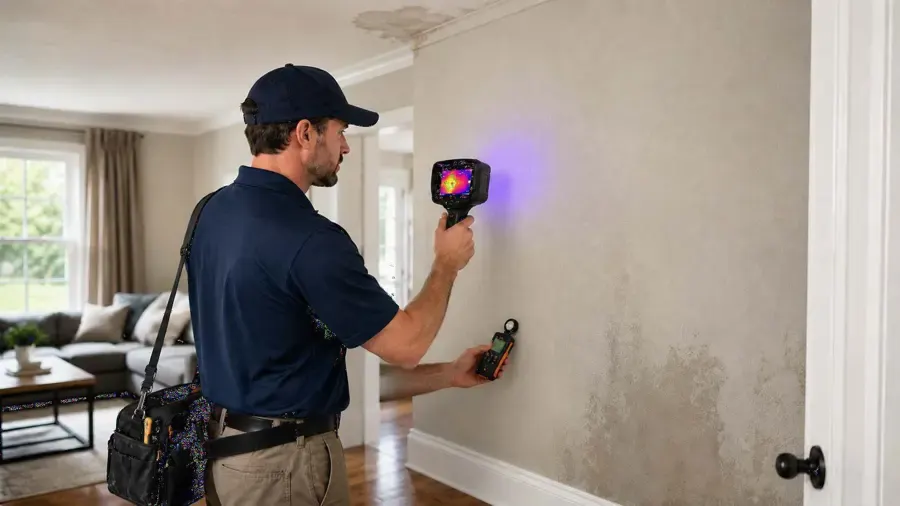
Fixture valve first, then the main, usually on the front basement wall.
Only from a dry panel. If the panel is wet, leave it alone.
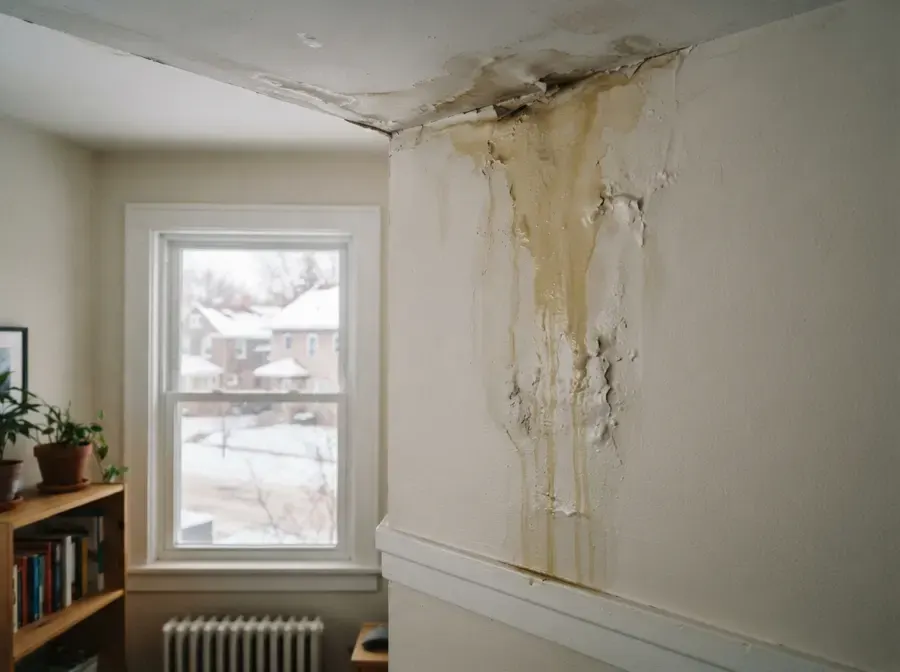
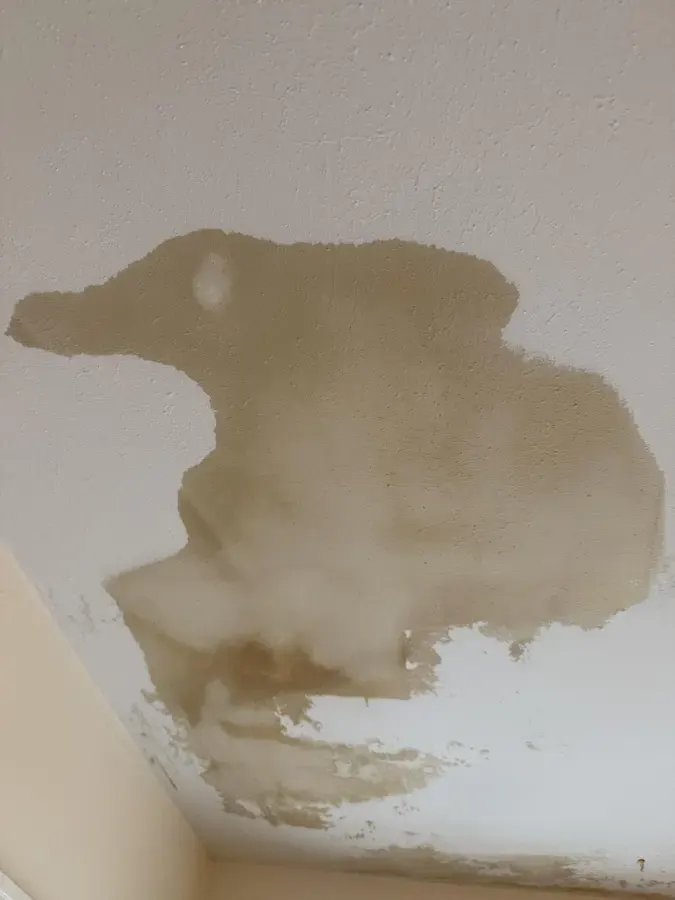
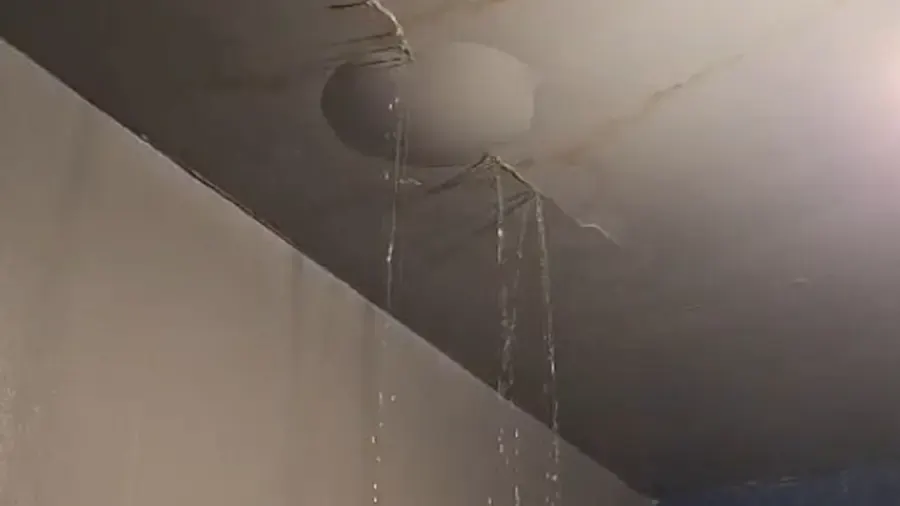
In a triple-decker the water heads down. Check their ceiling.
The source, the waterline and every wet room, before moving anything.
Rugs, boxes and electronics off the floor, then call while water is still on the surface.
Water and sewage only, sorted by where the water shows up in a Somerville house, from the roof line to the basement floor.
Ice dams and flat-roof leaks come in at the cornice and the top-floor ceiling.
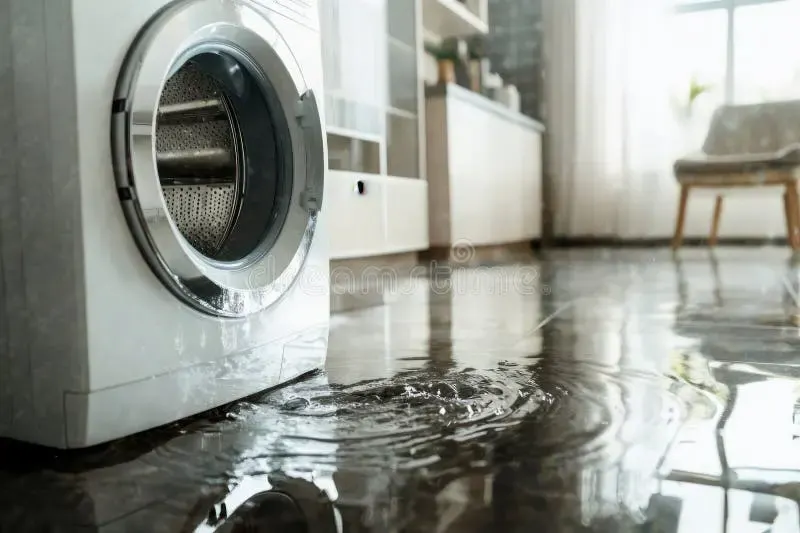
Hoses and fixtures on an upper floor send water through the ceiling below.
Supply pipes, frozen back walls and radiators leak inside plaster and floors.
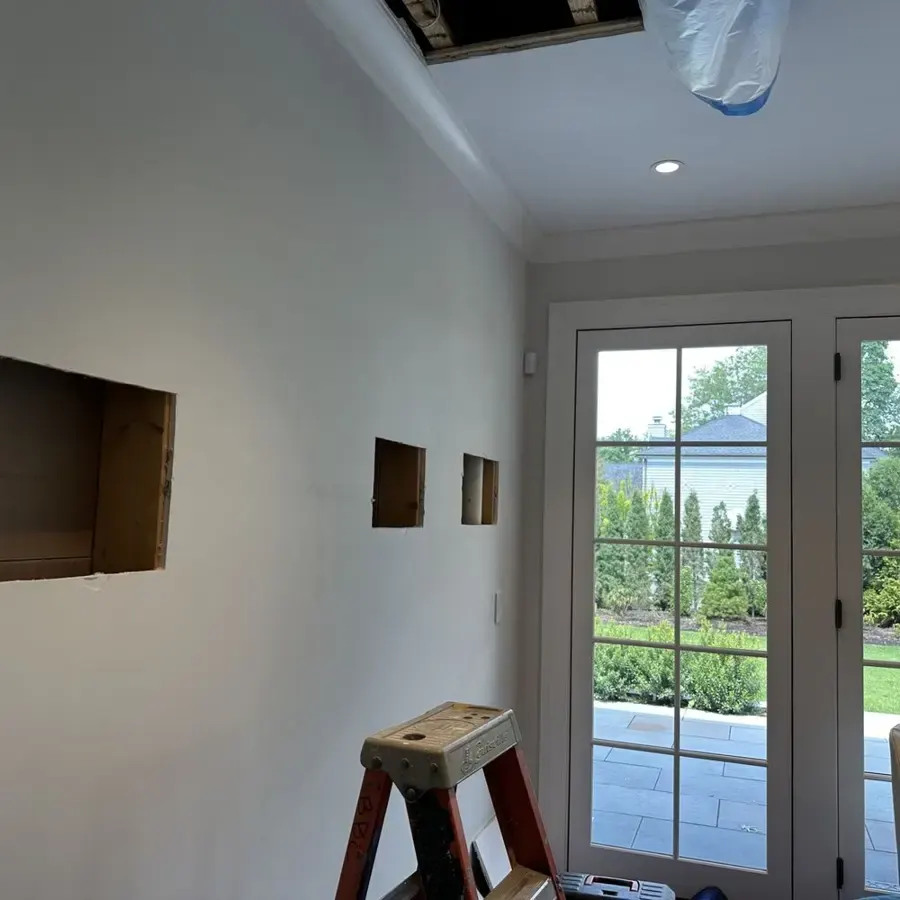 Burst Pipe Water DamageSplit supply lines inside plaster walls, traced with thermal imaging and dried.See the service
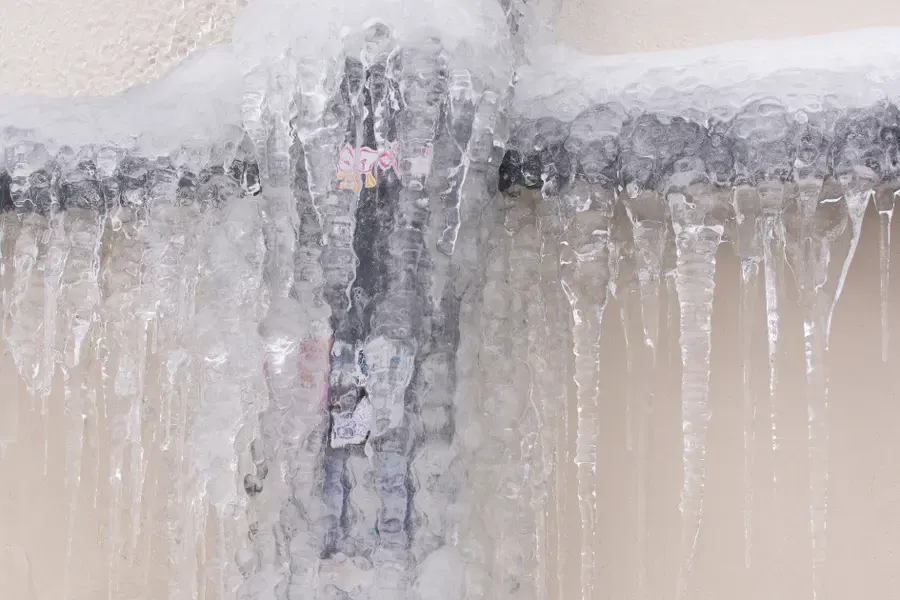 Frozen Pipe Water DamageBack-wall and porch pipes that freeze in a cold snap and leak on the thaw.See the service
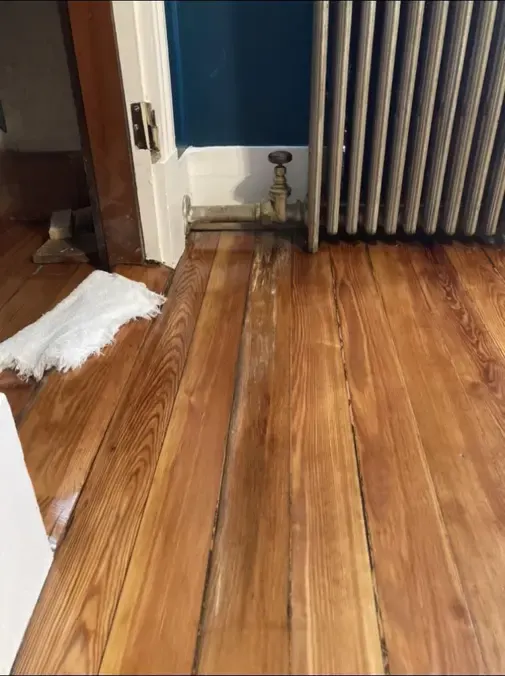
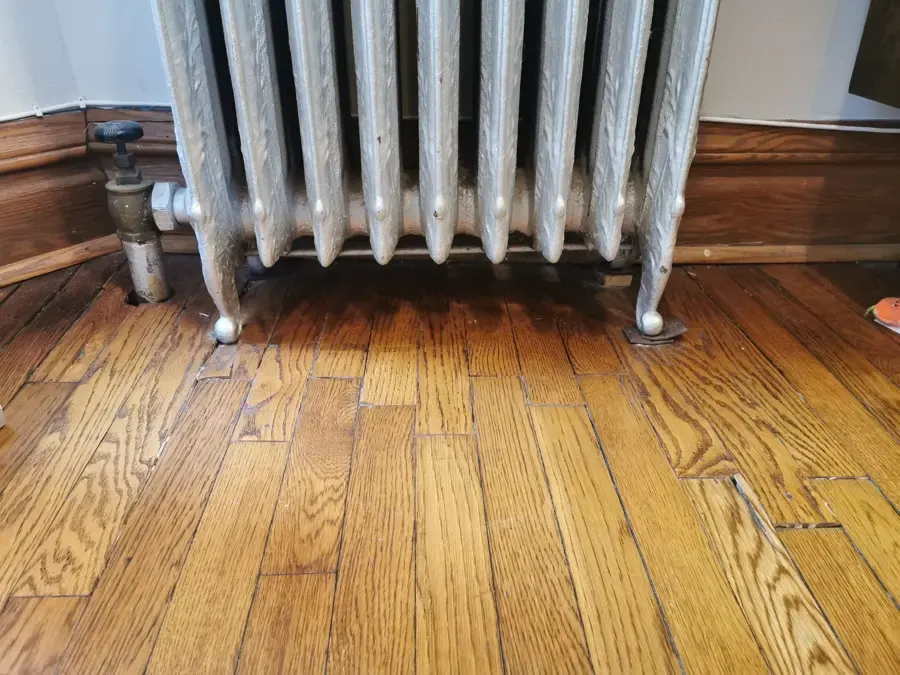 Radiator & Boiler LeaksSteam and hot-water heat leaking at valves and boilers, floors saved where possible.See the service
Storm water, sewer backups and failed water heaters collect at the bottom.
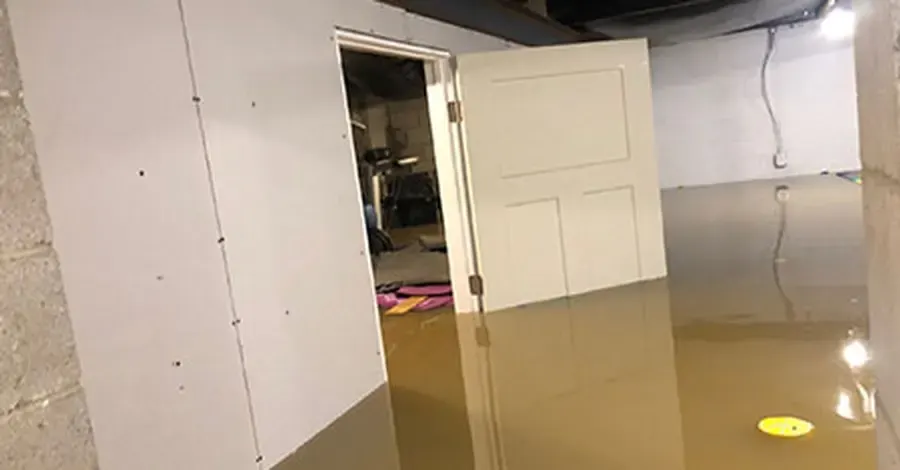
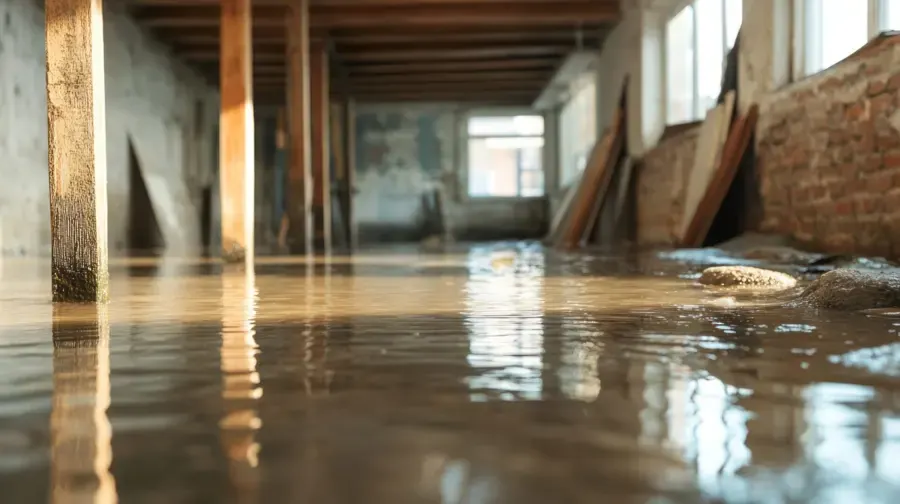 Basement Flood CleanupLow Somerville basements pumped out, cleaned and dried down to the foundation wall.See the service
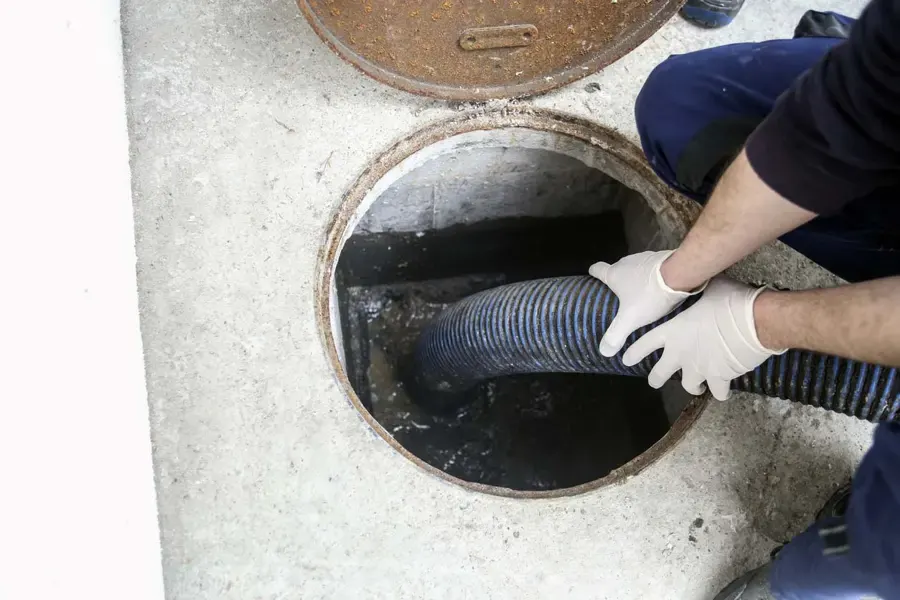 Sewer Backup CleanupCategory 3 backflow through floor drains and toilets, contained and removed.See the service
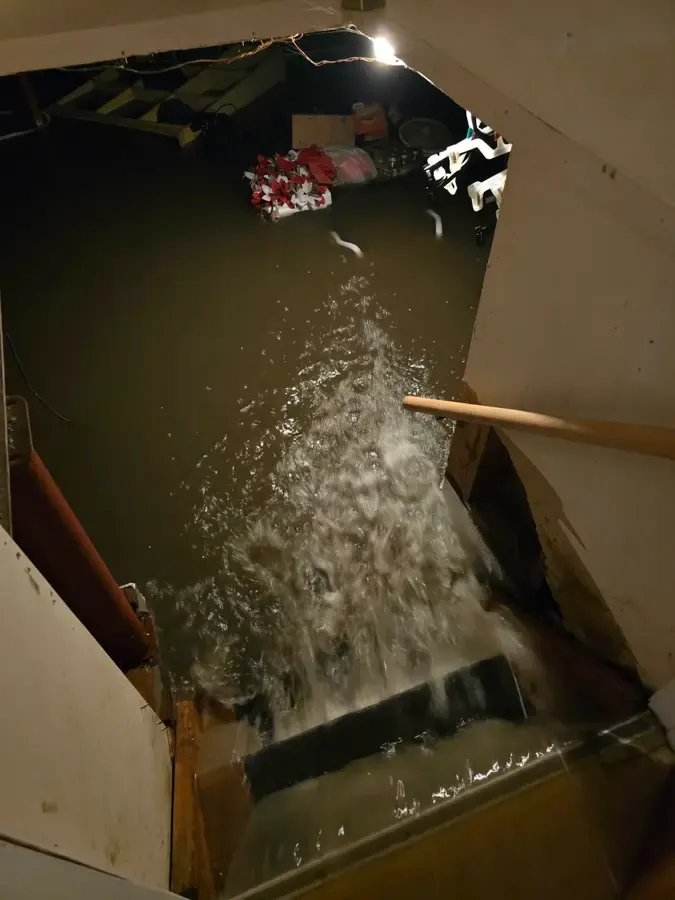 Nor'easter & Storm FloodingWind-driven rain and street runoff pulled out of basements and first floors.See the service
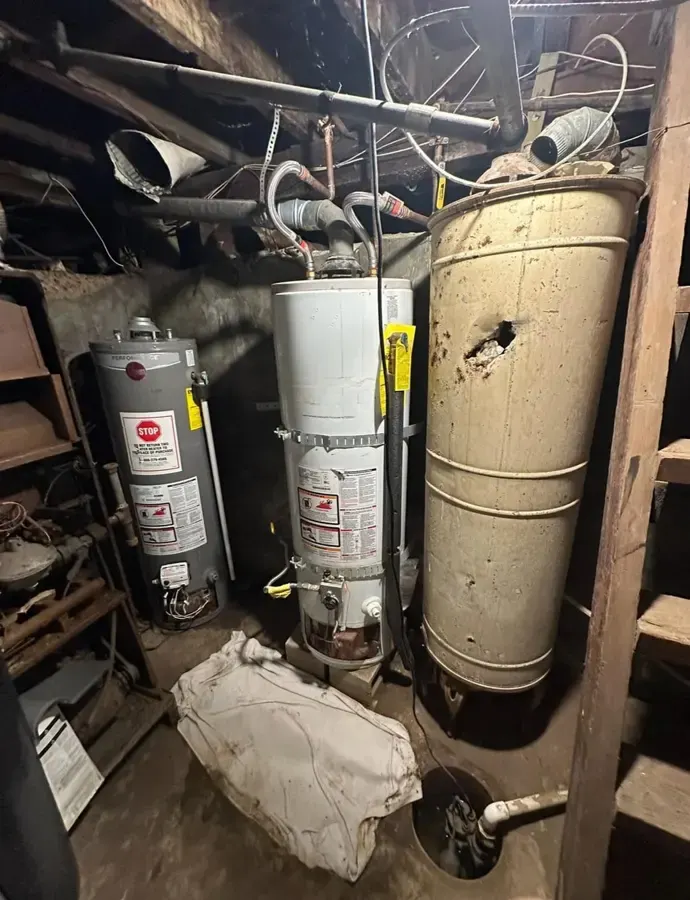 Water Heater Leak CleanupTank and relief-valve failures in shared basements, extracted and dried.See the service
Extraction, drying and commercial work that runs from roof to basement.
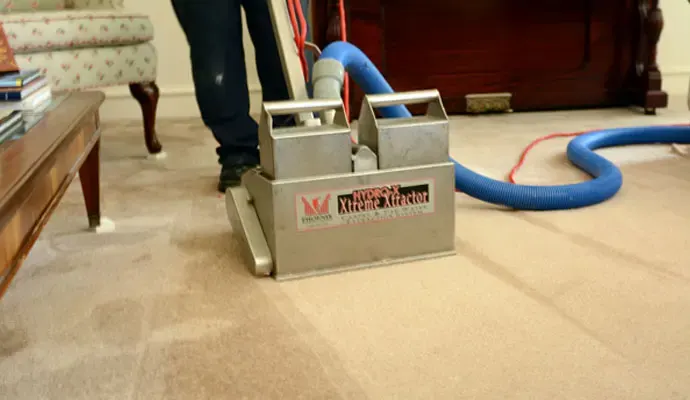 Emergency Water RemovalStanding water pulled out first, from a top-floor bathroom to a fieldstone basement.See the service
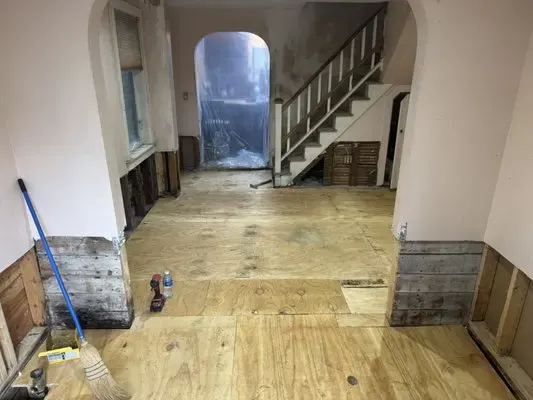
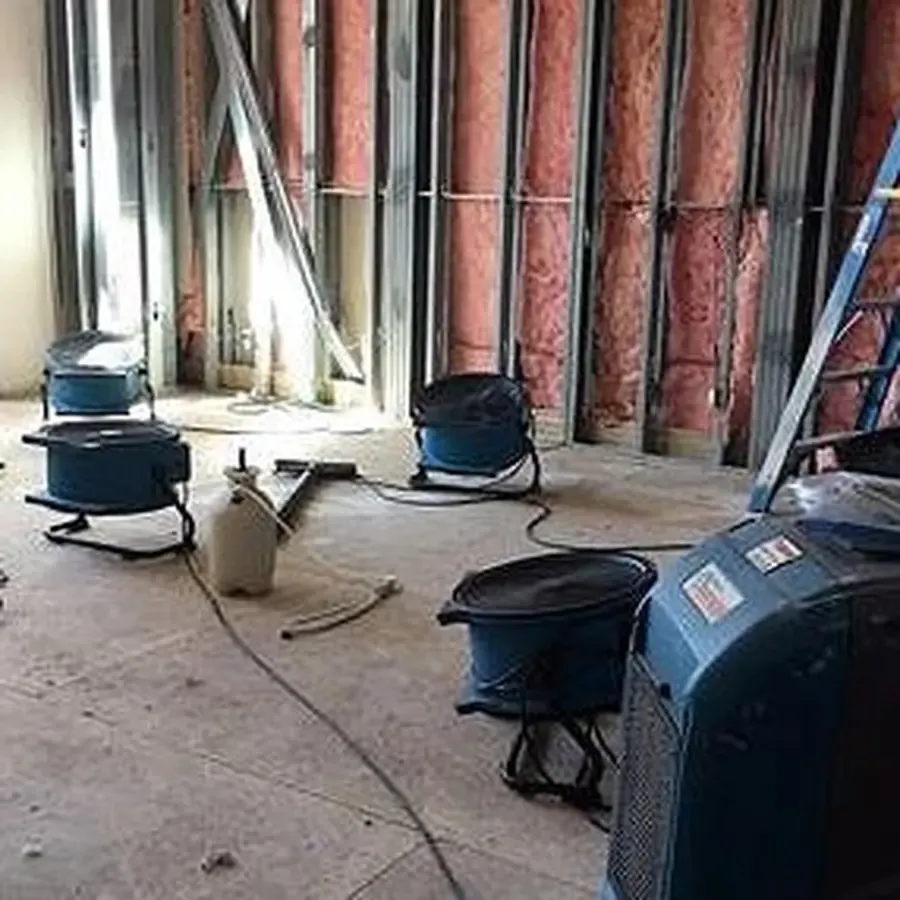 Structural DryingPlaster, lath, framing and old floors dried to verified readings.See the service
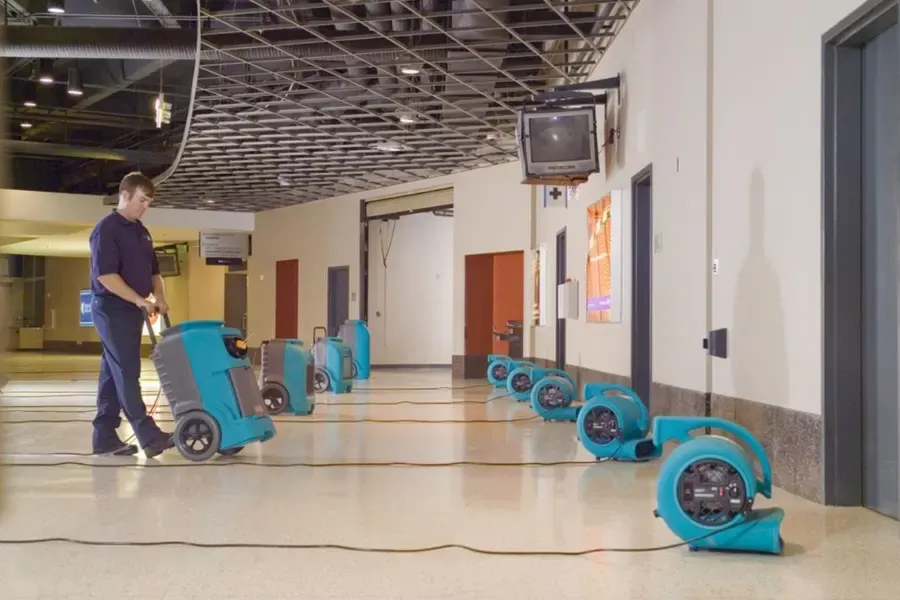 Commercial Water DamageShops, restaurants and offices in the squares back open after a water loss.See the service
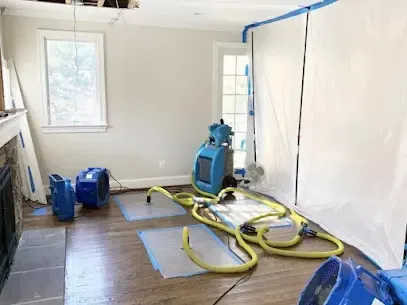
The response team covers 02143, 02144 and 02145 day and night, so extraction starts before water soaks into plaster and the floor below.
Structural drying, not just surface drying: moisture mapping first, then equipment sized to each room.
Timestamped photos before demolition, the moisture map and daily psychrometric logs for the adjuster.
Triple-deckers, stacked condos, steam heat and fieldstone basements are everyday work here.
What separates a finished dry-out from a cosmetic one is the order of the work.
The tech who does the walkthrough maps every wet material with thermal imaging and pinless meters before equipment goes down.
Truck-mounted extraction pulls standing water out of the building, not into the next room or the unit below.
Air movers match each room's evaporation load; LGR dehumidifiers and desiccants pull the moisture out.
Equipment stays until wet materials read within 2 to 4 points of a dry reference.
A contained Class 1 loss usually dries in three to five days. Plaster, old-growth floors and fieldstone take longer, and the equipment leaves on readings, not on a schedule.
In Somerville, MA, water damage restoration typically runs $1,200 to $15,000 or more. A clean-water leak caught early in one room sits at the low end; a flooded basement, a sewer backup or a leak through three stacked units sits at the high end. The drivers are the water category, the square footage, the material class and how fast drying started.
For a planning number on your own loss, use the water damage cost calculator. The walkthrough and the moisture map set the actual scope.
Category 1, 2 and 3 water are handled differently, and the source decides which one is in the house.
A burst supply pipe, a water heater tank or melting ice from an ice dam. Often dried in place when the work starts early.
Washer discharge, dishwasher water or boiler water from old iron piping. Soaked porous materials are cleaned or pulled.
Sewer backups through floor drains and storm water from the street. Porous materials get removed, not dried.
See sewer backup cleanupA water claim is decided on the file. The restoration team builds it while the work happens, one file per unit when a leak crosses into a neighbor's condo.
A burst supply pipe is treated differently from rising surface water, which falls under flood coverage, and drain backups often need a sewer backup endorsement. Coverage depends on your policy, so it is worth checking with your own insurer.
Where the water went, measured from day one.
Temperature, humidity and material readings until the goal is met.
Taken before any demolition, waterline and source visible.
A line-item scope in the format adjusters expect.
Water behaves differently in Somerville buildings. It runs along joists in balloon-framed walls, drops through plaster ceilings into the unit below and comes up basement drains when the sewer is full.
The restoration team works every Somerville neighborhood, from triple-deckers on Winter Hill and Spring Hill to condos near Davis Square and mixed-use buildings in Union Square, and dries every job to the IICRC S500 standard.
How the work is done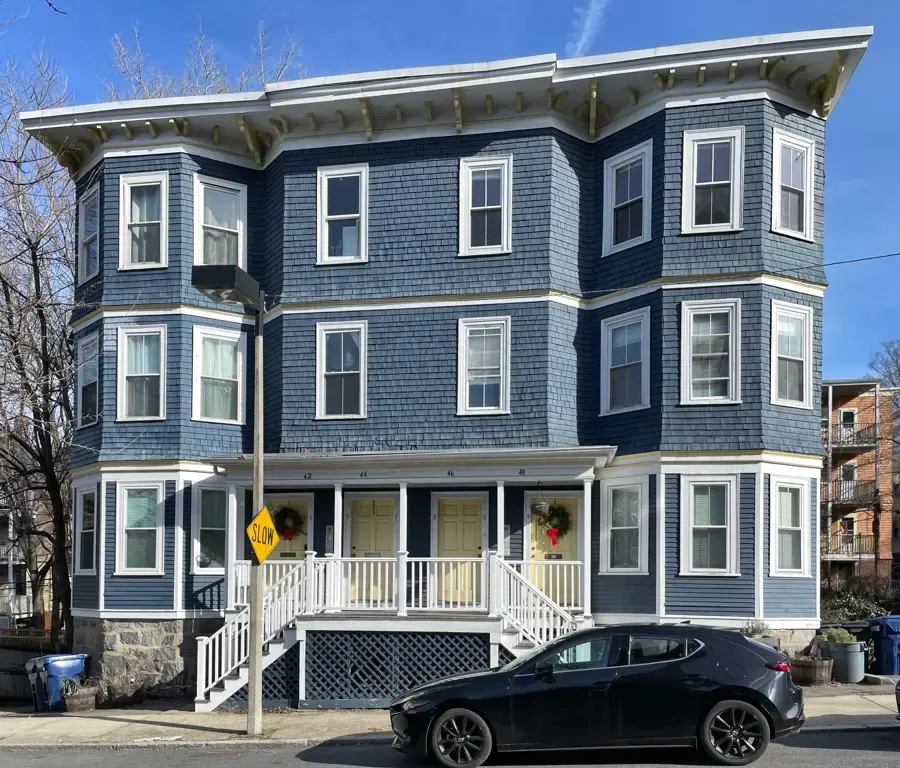
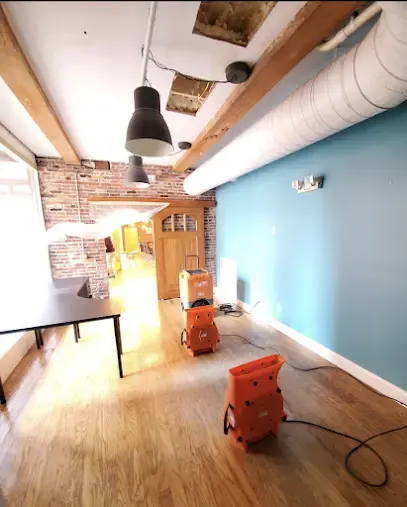
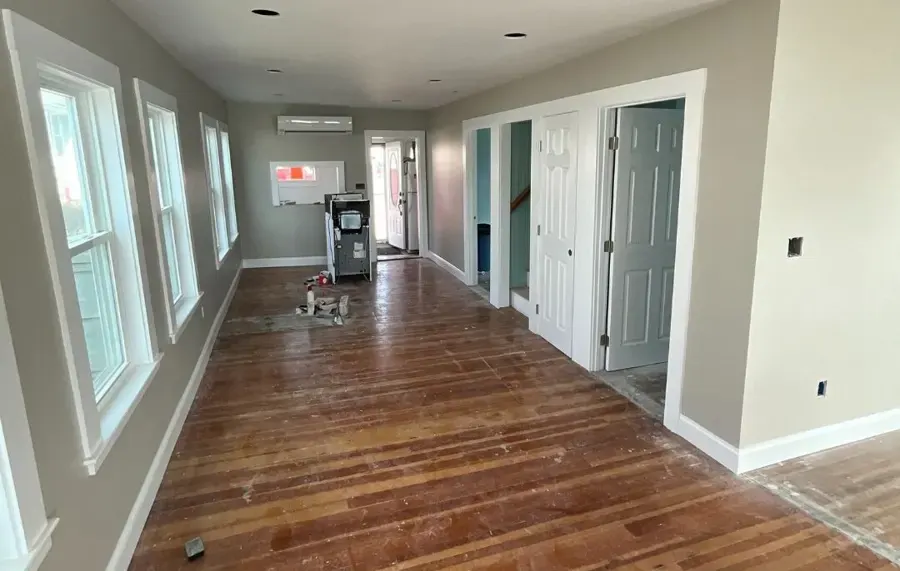
Union Square, Spring Hill, Prospect Hill, Central Hill
Davis Square, Teele Square, Powder House Square, Ball Square, West Somerville, Clarendon Hill, Tufts area
Winter Hill, East Somerville, Ten Hills, Assembly Square, Magoun Square
Have three things ready: which floor is wet, where the water came from, and whether another unit is involved. That decides the equipment that comes along.
Somerville's water problems come from its dense old housing, its sewers and its winters.
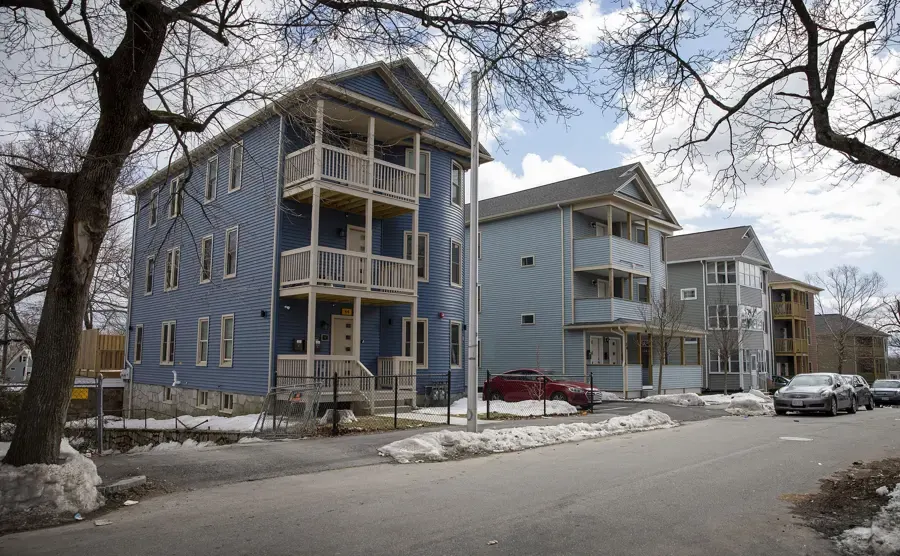
The restoration team works all three Somerville ZIP codes around the clock, and emergency water calls are treated as urgent at any hour. Standing water spreads into plaster and the unit below quickly, so the first call matters more than the first repair.
Much of the city runs on older combined sewers that surcharge in storms and push water up floor drains, while street runoff comes down bulkheads and through fieldstone foundations. Low streets around Union Square flood first.
Get the owner above to shut the fixture or valve, or close the building main. Turn off power to any wet light fixture, keep people out from under a sagging ceiling and photograph both units.
Kitchens and bathrooms sit at the back of most triple-deckers, often against thin exterior walls or enclosed porches. In a hard cold snap those supply lines freeze, split and leak when they thaw.
Sudden and accidental discharge, like a burst supply pipe, is commonly covered after the deductible. Drain backups often need a sewer backup endorsement, and rising surface water falls under flood coverage. Coverage depends on your policy, so it is worth checking with your own insurer.
A contained Class 1 loss usually dries in three to five days. Plaster, old-growth floors and masonry take longer, and the equipment comes out when readings sit within 2 to 4 points of a dry reference, not on a set date.
IICRC S500 is the industry drying standard for water damage. It covers how a loss is classified, how drying equipment is sized and how the building is confirmed dry with measured readings.
Yes. Water from a floor drain, a toilet or the street is Category 3. Porous materials it touched get removed, not dried, and the area is treated with an EPA-registered antimicrobial.
When Category 3 water touched it, when it sags, or when readings show it cannot be dried in place. Clean-water losses caught early are often dried without removal.
Mitigation is the emergency part: extraction, drying and removal of what cannot be saved. Repair, meaning new plaster, flooring or paint, is a separate phase that starts once readings say the structure is dry.
Standing water spreads into plaster, subfloor and the unit below. Getting the extraction going tonight keeps the job smaller.