$1,000 to $4,000
One or two ceilings
- Ceiling cavity drying
- Small access openings
- Three to five days
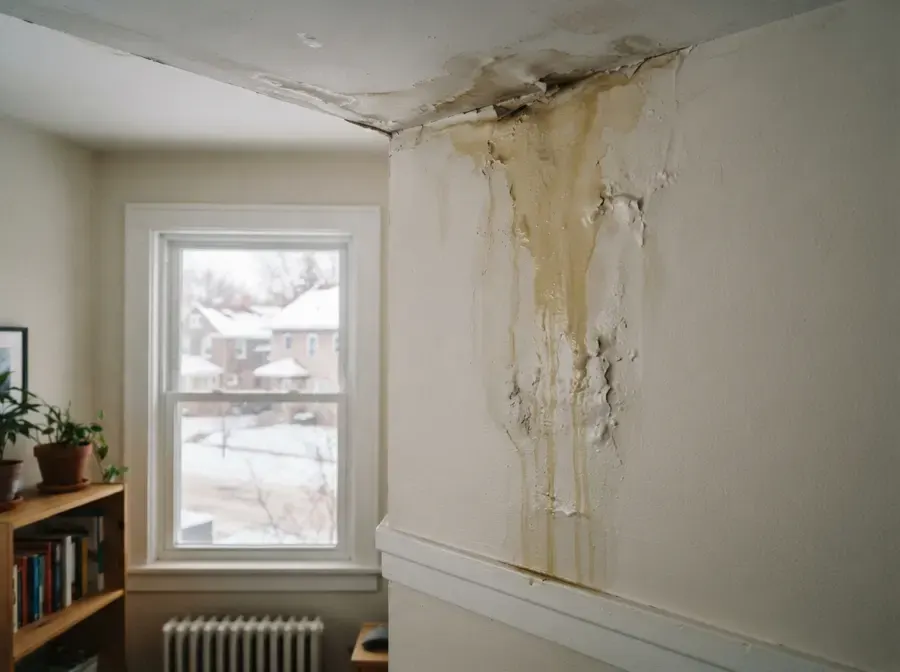
Flat and low-slope roofs on Somerville triple-deckers hold water, and a failed seam lets it into the top unit. The mitigation team extracts the water and dries ceilings, walls and floors to a verified reading.
(888) 629-3140Roof leaking into the top floor? Call now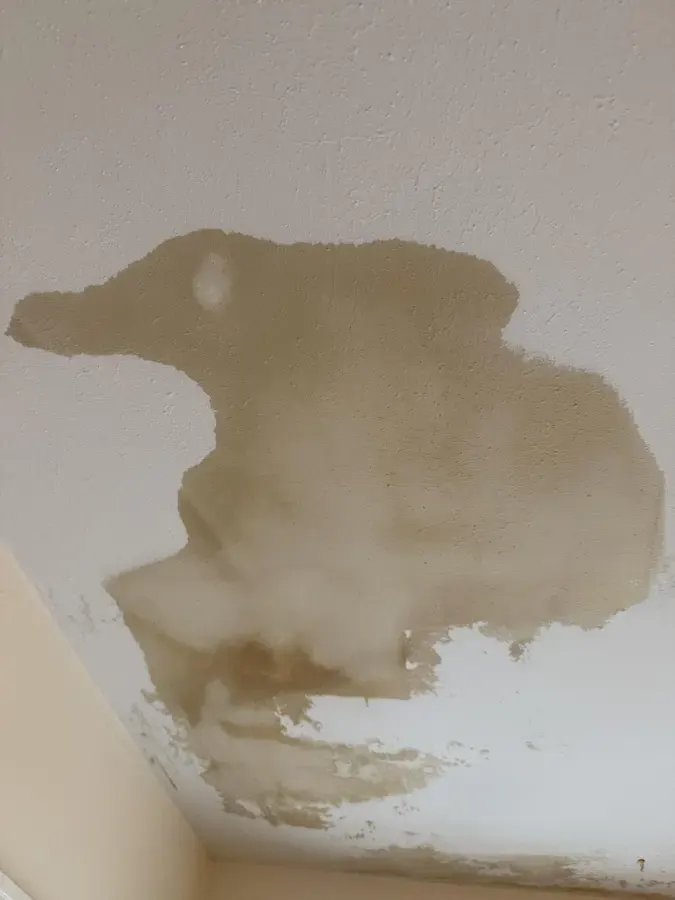
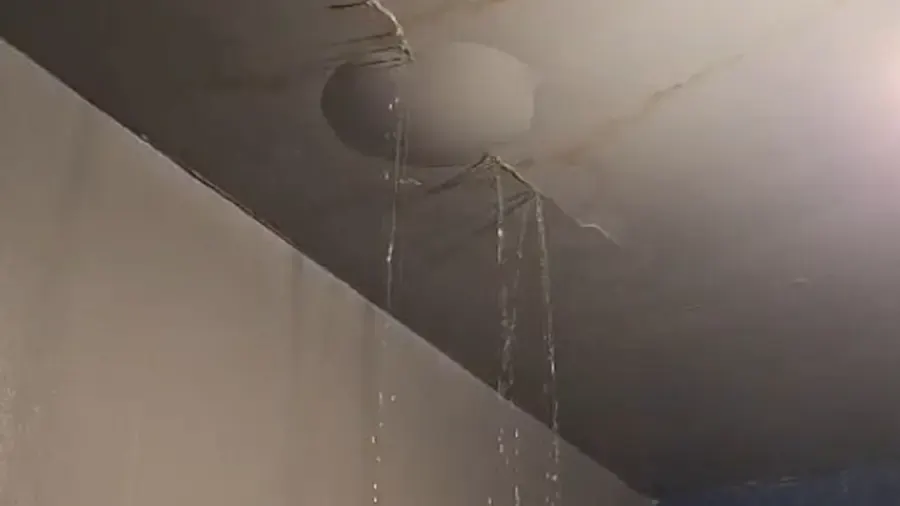
Buckets and plastic under every drip; move furniture and electronics away.
Water in a ceiling light means that circuit goes off at the panel.
Leaves blocking a scupper or roof drain can be cleared only when safe, never in a storm.
Stains, drips and any visible roof damage help both the roofer and the claim.
The response team covers all of Somerville during storms, when roof leaks spread fastest.
The ceiling cavity and insulation under a flat roof are dried, not just the stained plaster.
Stains, the leak points and daily readings are recorded for the adjuster and the roofer.
Membrane and tar roofs, parapets and scuppers on triple-deckers are familiar leak points.
In Somerville, MA, flat roof leak cleanup typically runs $1,000 to $4,000 for one or two wet ceilings and $4,000 to $12,000 when water spread across the top unit or reached the floor below. The size of the wet ceiling, soaked insulation and how many storms the leak ran through set the range.
For a planning number on your own loss, try the water damage cost calculator. The final figure comes from the on-site walkthrough and the moisture map.
Thermal imaging shows how far water spread under the flat roof, often far from the drip.
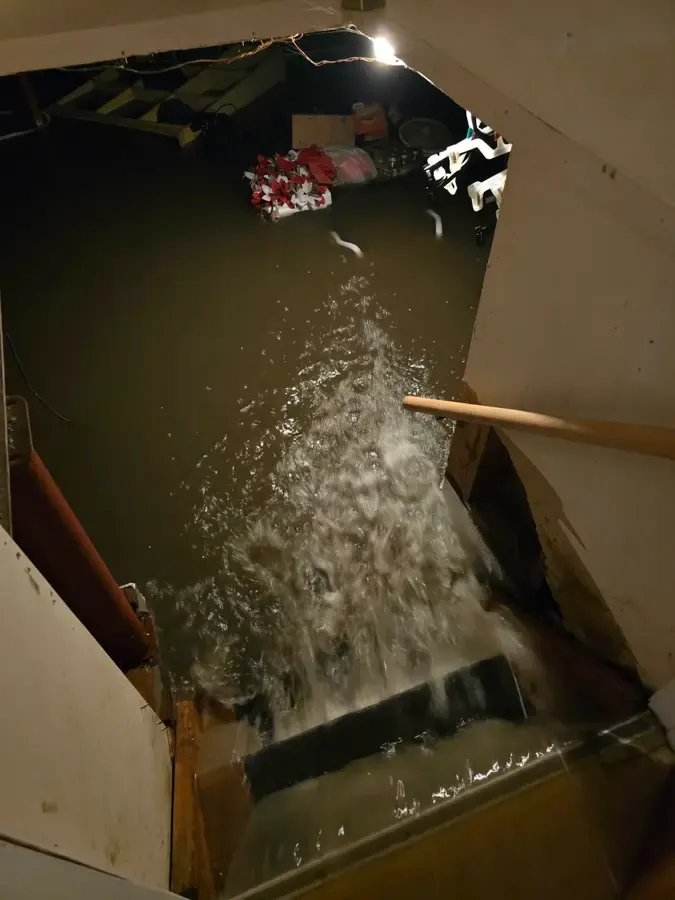
The extraction crew removes water from floors and protects contents.
Access openings and wet insulation removal let the ceiling cavity dry with directed air.
Readings continue until dry, and the roofer gets the leak locations.
Flat roof leak water damage is a year-round problem on Somerville triple-deckers. Many have flat or low-slope roofs covered with rubber membrane, modified bitumen or older tar and gravel, edged by parapets and drained through scuppers or interior drains. These roofs hold water on top, and when a seam, flashing or drain fails, rain spreads widely across the ceiling below before it drips.
Unlike an ice dam, which is a winter problem at the roof edge, a flat roof leak can appear anywhere on the top-floor ceiling during any heavy rain or nor'easter.
Between the roof deck and the top-floor ceiling there is usually a shallow cavity with insulation. Water travels across that space, so the drip may be feet from the actual leak. The mitigation team maps the ceiling with thermal imaging and pinless meters, removes soaked insulation through access openings and dries the cavity with air movers and dehumidifiers. Rainwater is usually Category 1 or 2; water that sat in the cavity for weeks is treated with more caution.
The roofer fixes the leak, and the drying equipment stays until the ceiling and framing read dry. The moisture map helps the roofer find the entry point. The National Weather Service posts storm warnings, and the EPA indoor air quality pages explain why damp ceilings matter. For winter leaks at the eaves, see ice dam leak cleanup.
The Somerville restoration crew works 02143, 02144 and 02145, from Union Square and Winter Hill to Davis Square and Ten Hills, plus nearby Cambridge, Medford, Arlington, Charlestown, Everett.
See every Somerville neighborhood coveredWater travels across the roof deck and through the cavity above the ceiling before it finds a way down, so the drip can be feet away from the leak.
Often yes, if the water was clean and drying starts quickly. Soaked insulation above it usually comes out.
During a storm, yes: water spreads quickly across the ceiling and can bring plaster down. Catch the drips and call.
That is the roofer's call. Many leaks are seams, flashing or drains that can be repaired.
Three to five days for a contained ceiling is typical; larger areas and repeated storms take longer.
Sudden storm damage is often covered, while wear and tear on an old roof may not be. Coverage depends on your policy, so it is worth checking with your own insurer.
Flat roofs hold water on top and let it spread wide underneath. Drying the ceiling now keeps plaster from coming down.