$1,500 to $5,000
Rain through a wall or window
- Extraction and cavity drying
- Plaster or drywall checked
- Three to five days
A nor'easter drives rain sideways into clapboard and windows while street runoff pours into basements. The restoration team extracts the water, sorts clean from contaminated and dries the structure to the IICRC S500 goal.
(888) 629-3140Storm water inside? Call now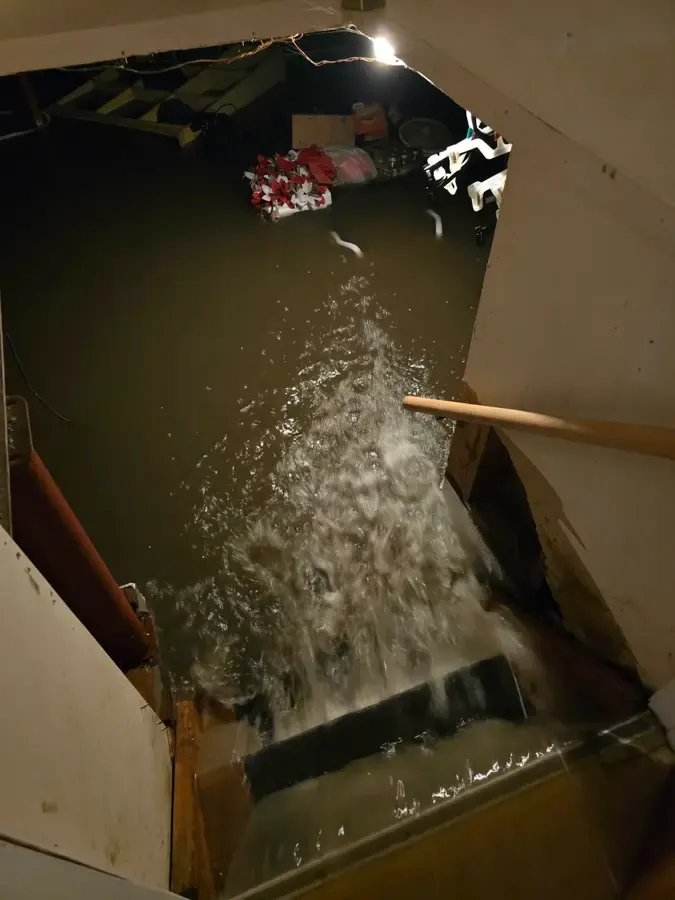
Never walk through water near outlets or a basement panel, and never drive through flooded streets.
Towels and buckets at windows; keep water away from the stairs to the basement.
Lift documents, electronics and anything porous off the basement floor.
Waterlines, the entry point and the date and time help the claim later.
Storm calls stack up across Somerville at once, so the response team works through the night during a big nor'easter.
Wind-driven rain soaks wall cavities from the outside, so cavities get mapped and dried, not just floors.
Entry points, waterlines and category are documented, because storm coverage depends on how water got in.
Clapboard walls, old windows and basements near the Union Square lowlands are familiar storm losses.
In Somerville, MA, storm flood cleanup typically runs $1,500 to $5,000 for rain through a window or wall into one or two rooms and $6,000 to $20,000 or more when surface water floods a basement or first floor. The entry point, the water category and the materials soaked set the number.
For a planning number on your own loss, try the water damage cost calculator. The final figure comes from the on-site walkthrough and the moisture map.
The tech who does the walkthrough finds where the water came in and whether it is clean rain or dirty surface water.
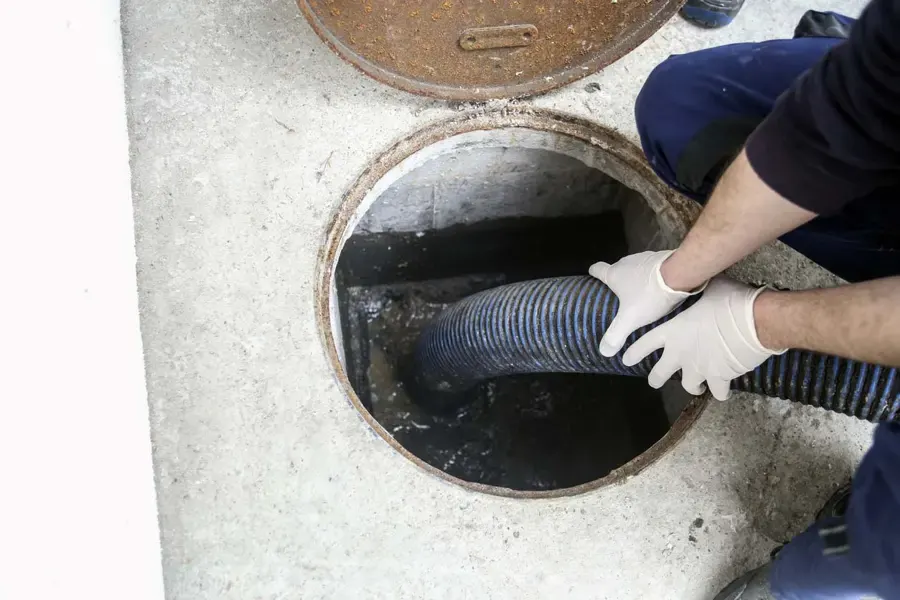
Pumps and truck-mounted extraction pull water off floors and out of the basement.
Porous materials touched by surface water come out, and an EPA-registered antimicrobial is applied.
Air movers, LGR dehumidifiers and daily readings bring walls and framing back to the drying goal.
Nor'easter and storm flood cleanup in Somerville covers two kinds of water that often arrive together. Wind-driven rain forces its way through clapboard siding, old window frames and cornices into wall cavities, while street runoff and overloaded drains push surface water into basements. The restoration team handles both, but they are handled differently.
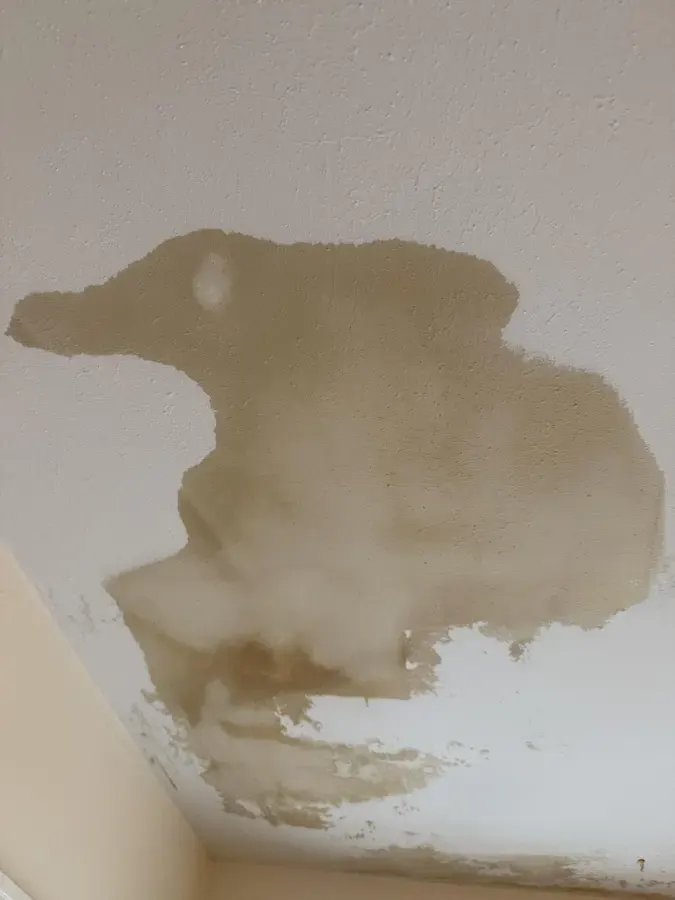
Most Somerville triple-deckers are wood frame with clapboard or later siding over it. In a nor'easter, rain driven sideways for hours finds gaps at window trim, corner boards and cornices, then runs down inside the wall. The damage shows up as stains on plaster, peeling paint and wet sills. Rainwater that entered from above is usually treated as Category 1 or 2, and thermal imaging finds how far it traveled inside the cavity.
Surface water is different. Water that flowed across streets and yards picks up sewage, oil and debris, so it is treated as Category 3. Low streets around Union Square and lower Somerville Avenue, the old Millers River lowland, flood in heavy rain, and basements across the city take water through bulkheads, window wells and foundation joints. Near Alewife Brook and the Mystic River, high water adds groundwater pressure.
How water entered matters for coverage. Rain through a damaged roof or wall is often handled under a homeowners policy, while rising surface water usually falls under flood coverage, such as the National Flood Insurance Program. The file records the entry point, the category and the drying readings either way. For storm preparation, see the National Weather Service flood safety page. If water came up a drain, see sewer backup cleanup.
The Somerville restoration crew works 02143, 02144 and 02145, from Union Square and Winter Hill to Davis Square and Ten Hills, plus nearby Cambridge, Medford, Arlington, Charlestown, Everett.
See every Somerville neighborhood coveredYes. Surface water that flowed across streets and yards is treated as Category 3, so porous materials it touched are removed and surfaces are disinfected.
A nor'easter drives rain sideways for hours. It finds gaps at window trim, corner boards and the cornice, then runs down inside the wall.
No. Extraction and moving contents can start while the weather continues, and the job gets smaller the sooner water is out.
Rain entering through storm damage is often covered, but rising surface water usually needs flood insurance. Coverage depends on your policy, so it is worth checking with your own insurer.
Often yes, when the water was clean and drying starts early. Readings decide whether plaster dries in place or needs to be opened.
Clear gutters and downspouts, keep window wells covered, seal bulkhead doors and ask a plumber about a backwater valve on the building sewer.
Surface water is dirty water. Getting it out and the walls opened where needed stops the damage from spreading after the storm passes.