$400 to $1,500
Extraction, one or two rooms
- Truck-mounted or portable extraction
- Clean water caught early
- Moisture check after
Standing water moves into subfloor, plaster and the unit below within hours. The extraction crew pulls it out first, then maps the moisture and sets drying equipment sized to each room.
(888) 629-3140Standing water in a Somerville unit? Call now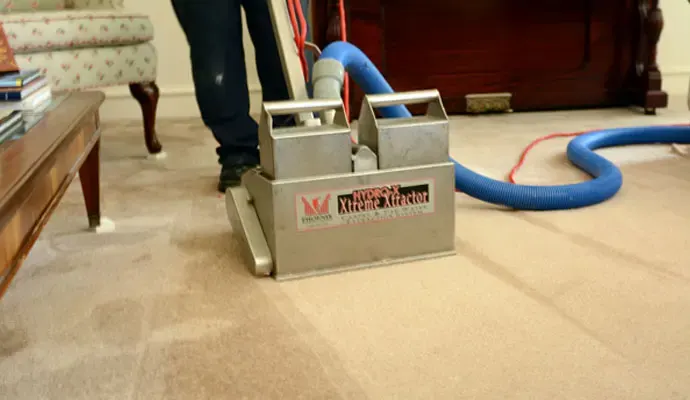
Close the fixture valve or the main, usually on the front basement wall of a triple-decker.
Switch off circuits feeding wet outlets or ceiling lights, only from a dry panel.
In a stacked building, water heads down. Knock on the door below and check their ceiling.
Photos of every wet room first, then rugs, boxes and electronics up off the floor.
The response team works all three Somerville ZIP codes around the clock, so extraction can start while the water is still on the surface.
Extraction is step one of a structural dry-out, not the whole job: the moisture map decides what else needs drying.
Photos of the waterline and source are taken before anything is moved, and readings are logged from the first day.
Narrow stairs, low basements and stacked units are normal work here, so portable extractors and long hoses come along.
In Somerville, MA, emergency water removal typically runs $400 to $1,500 for extraction alone in one or two rooms, and $2,500 to $9,000 once drying equipment, carpet removal and several days of monitoring are included. The water category, the square footage and how fast extraction started move the number most.
For a planning number on your own loss, try the water damage cost calculator. The final figure comes from the on-site walkthrough and the moisture map.
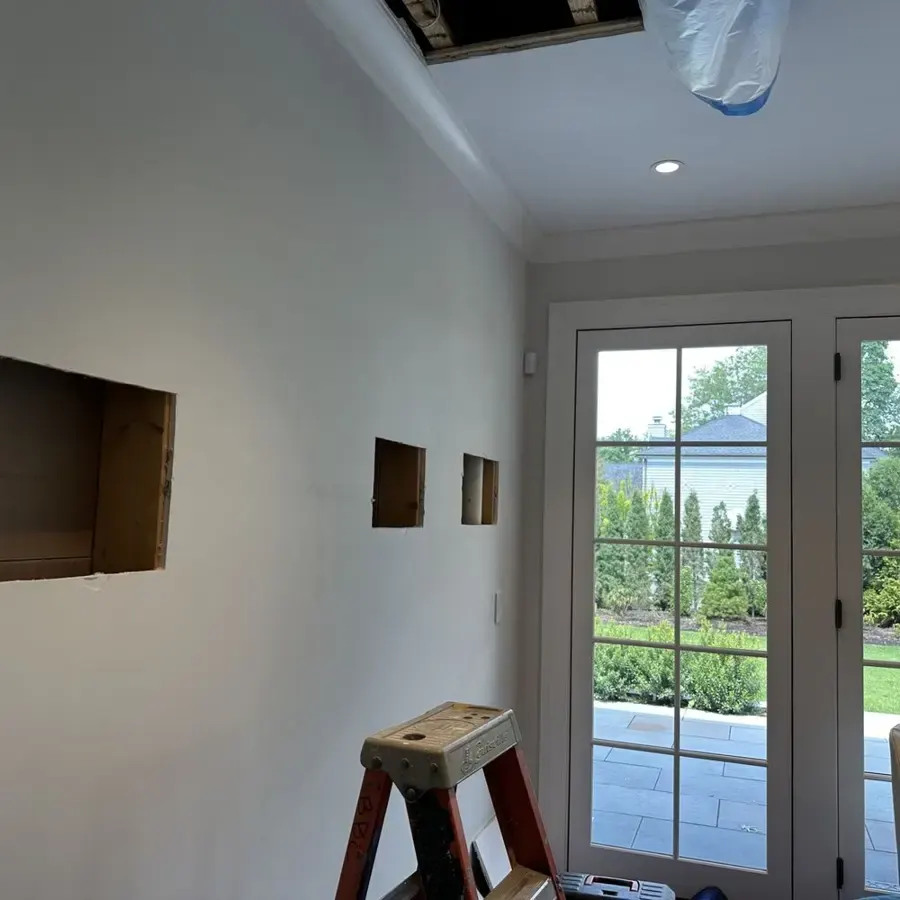
The tech who does the walkthrough traces the water with thermal imaging and pinless meters before any hose goes down.
Truck-mounted extraction pulls water out of carpet, pad and hard floors; portable units handle upper floors and tight basements.
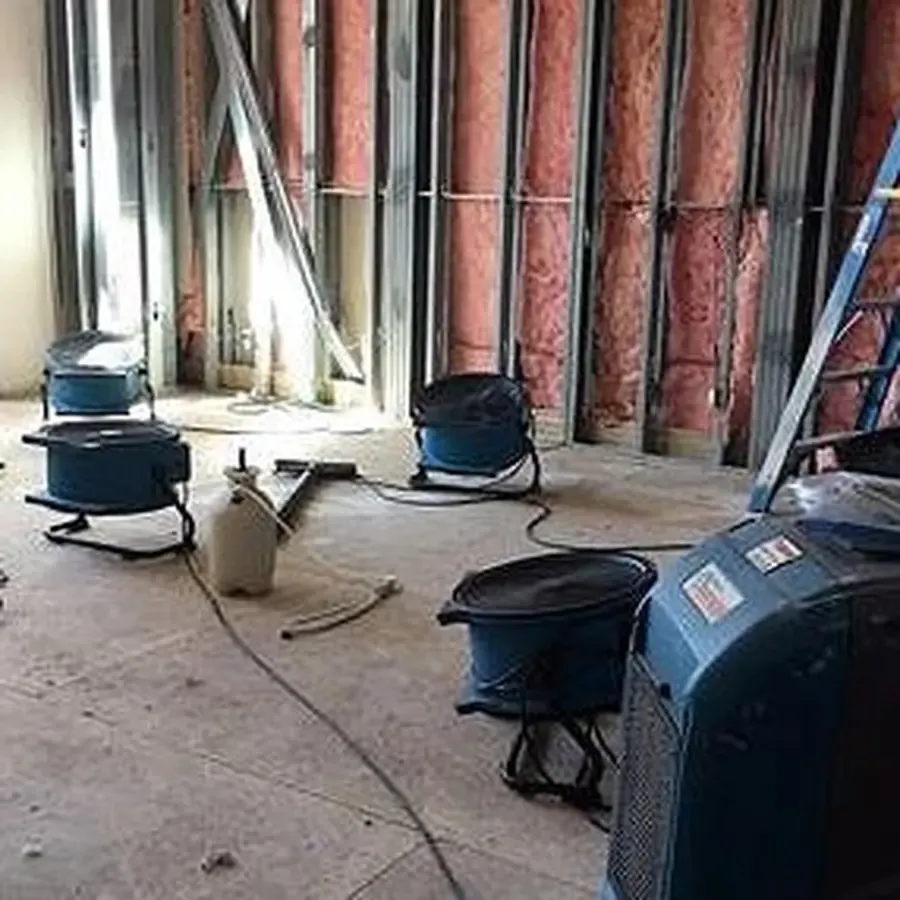
Air movers and LGR dehumidifiers go in at the evaporation load of each room, with containment where needed.
The drying team checks readings daily and pulls equipment when materials hit the drying goal.
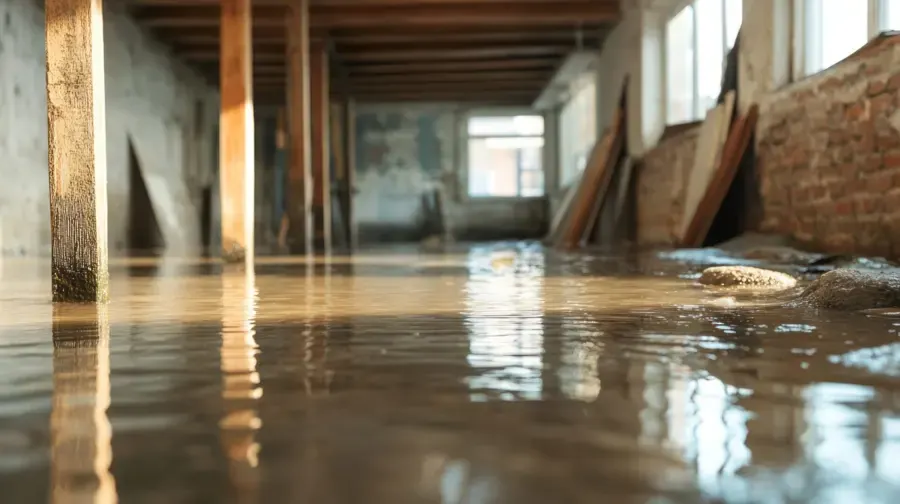
Emergency water removal in Somerville is the first hour of every water job, whether the water came from a burst pipe on the second floor, a washer hose in a top-floor unit or a storm that pushed water into a fieldstone basement. The extraction crew removes as much water as possible while it is still liquid, because water pulled out with a wand costs far less to deal with than water that has soaked into plaster, subfloor and the ceiling below.
Most Somerville housing was built between about 1880 and 1930 as wood-frame two-families and triple-deckers, and most of it is now split into stacked condos. Water does not stay in one unit. It runs along joists, through light fixtures and down the plumbing chase into the unit below, and eventually to the basement. Every hour of delay adds another room, and often another owner, to the job.
A truck-mounted extractor is the workhorse: its hoses run up the front stairs and pull water out of the building rather than into the next room. For top-floor units, narrow back stairs and low basements, portable extractors and submersible pumps fill the gaps. Weighted extraction tools press water out of carpet pad, and thermal imaging with pinless meters finds water that has already moved behind baseboards.
After extraction the job becomes a structural dry-out. The drying team sets air movers and LGR dehumidifiers to the room's evaporation load and takes readings every day. See structural drying for how the drying goal is set.
Clean supply water is Category 1 and can usually be dried in place when extraction starts early. Water from a washer or dishwasher is Category 2. Anything that came up a floor drain, backed up from a toilet or ran in from the street is Category 3, and porous materials it touched get removed, not dried; see sewer backup cleanup. For flood safety basics, the federal Ready.gov flood page and the EPA's page on flooded homes cover what to avoid while water is present.
The Somerville restoration crew works 02143, 02144 and 02145, from Union Square and Winter Hill to Davis Square and Ten Hills, plus nearby Cambridge, Medford, Arlington, Charlestown, Everett.
See every Somerville neighborhood coveredA failed supply line can move hundreds of gallons an hour, which is why the first step is always closing the valve or the main before anything else.
A shop vac helps with a small spill on a hard floor. Once water reaches carpet pad, subfloor or the unit below, truck-mounted extraction and a moisture map do what a shop vac cannot.
Not always. Clean-water carpet caught early is often extracted and dried in place. Pad usually comes out once saturated, and carpet touched by Category 3 water is removed.
Check it right away. Water that reached the ceiling below is part of the same loss, and drying both units together keeps the job and the claim file in one piece.
A contained Class 1 or 2 loss usually dries in three to five days. Plaster, hardwood and basements take longer, and the equipment leaves when readings say dry.
Sudden and accidental discharge, like a burst supply line, is commonly covered after the deductible, while rising surface water falls under flood coverage. Coverage depends on your policy, so it is worth checking with your own insurer.
Extraction is the cheapest hour of any water job. The longer water sits, the more gets removed instead of dried.