$1,500 to $4,500
One or two rooms
- Class 1 to 2 loss
- Air movers and LGR
- Three to five days
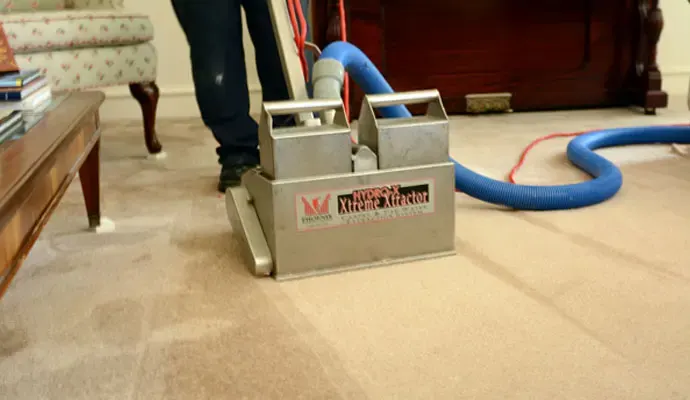
Structural drying dries the building, not just the surface. The drying team maps moisture, sets air movers and dehumidifiers to the evaporation load and keeps equipment running until readings meet the IICRC S500 goal.
(888) 629-3140Walls still wet? Get them properly dried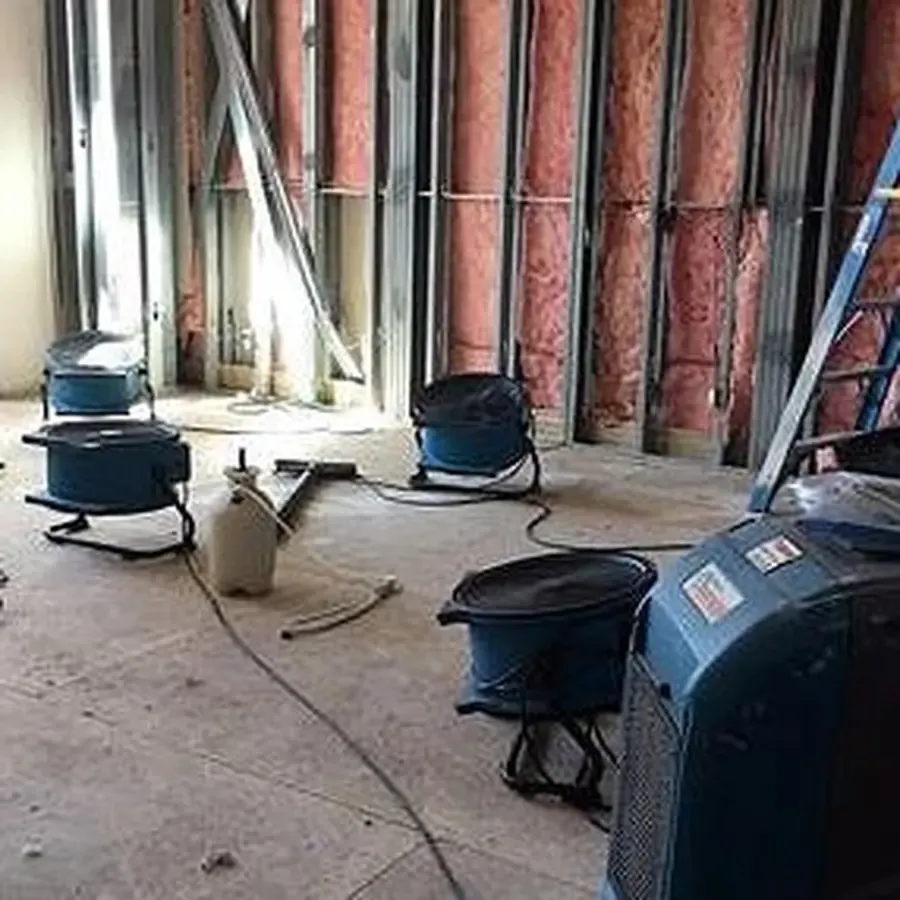
No drying works while water still feeds the wall or floor.
Open interior doors; in dry weather, open windows. In humid weather keep them shut.
Area rugs and loose items off wet floors so air reaches the surface.
Hold off on paint, new flooring or closing walls until readings say dry.
The drying team works across Somerville day and night, because drying goes faster the sooner it starts.
Equipment is sized to the room's evaporation load and the Class of loss, and stays until readings say dry.
Psychrometric readings and material readings are logged every day for the file.
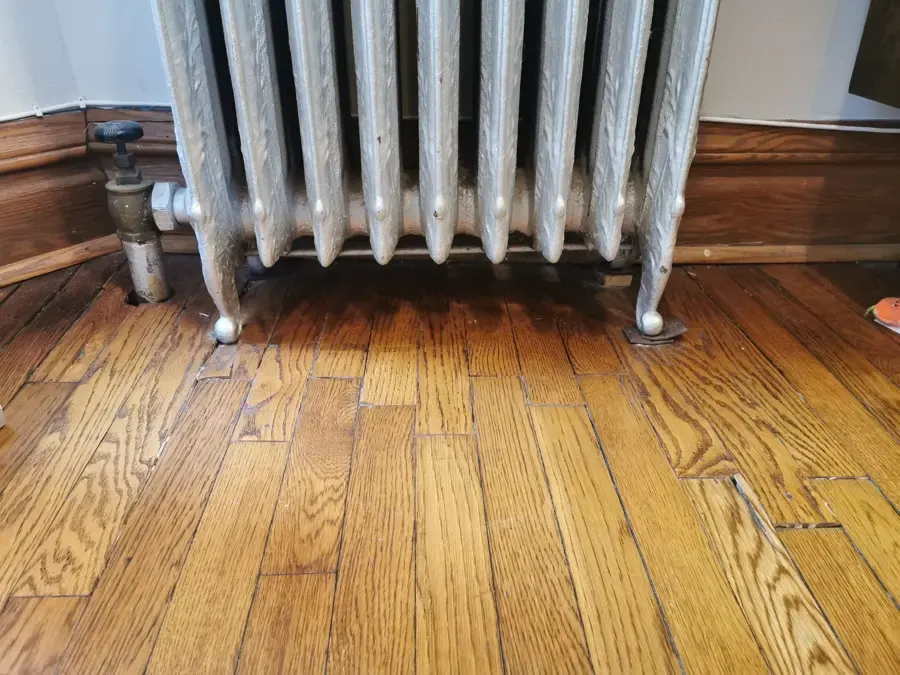
Plaster and lath, balloon framing and old-growth floors dry differently from new construction.
In Somerville, MA, structural drying typically runs $1,500 to $4,500 for one or two rooms and $4,500 to $14,000 for several rooms, plaster walls or a multi-floor loss. The Class of loss, the materials (plaster and hardwood take longer), the square footage and how fast drying started set the cost.
For a planning number on your own loss, try the water damage cost calculator. The final figure comes from the on-site walkthrough and the moisture map.
The tech who does the walkthrough maps every wet material and picks a dry reference in the same building.
Air movers go in at the evaporation load, with LGR dehumidifiers or desiccants for dense materials.
Temperature, humidity and material readings are logged daily, and the setup is adjusted.
Equipment comes out when wet materials read within 2 to 4 points of the dry reference.
Structural drying in Somerville means drying buildings that were put together a century ago. Plaster on wood lath, balloon-framed walls with open cavities from basement to roof, thick old-growth floor boards and fieldstone foundations all hold water differently from modern drywall and plywood. Drying them properly takes measurement, not guesswork.
IICRC S500 is the industry standard for water damage restoration. It sets out how to classify a loss, how to size drying equipment and how to confirm the building is dry. Two classifications drive the plan:
Plaster, hardwood and masonry are often Class 4 materials: dense, slow to release water and in need of low humidity, directed air or desiccant dehumidification.
The drying goal is not a date on a calendar. The drying team takes a reading from the same material in an unaffected part of the building, the dry reference, and dries the wet material until it reads within 2 to 4 points of it. Daily psychrometric readings (temperature, relative humidity and grains per pound) show whether the dehumidifiers are keeping up. Equipment stays until the readings say dry, not until the surface looks dry.
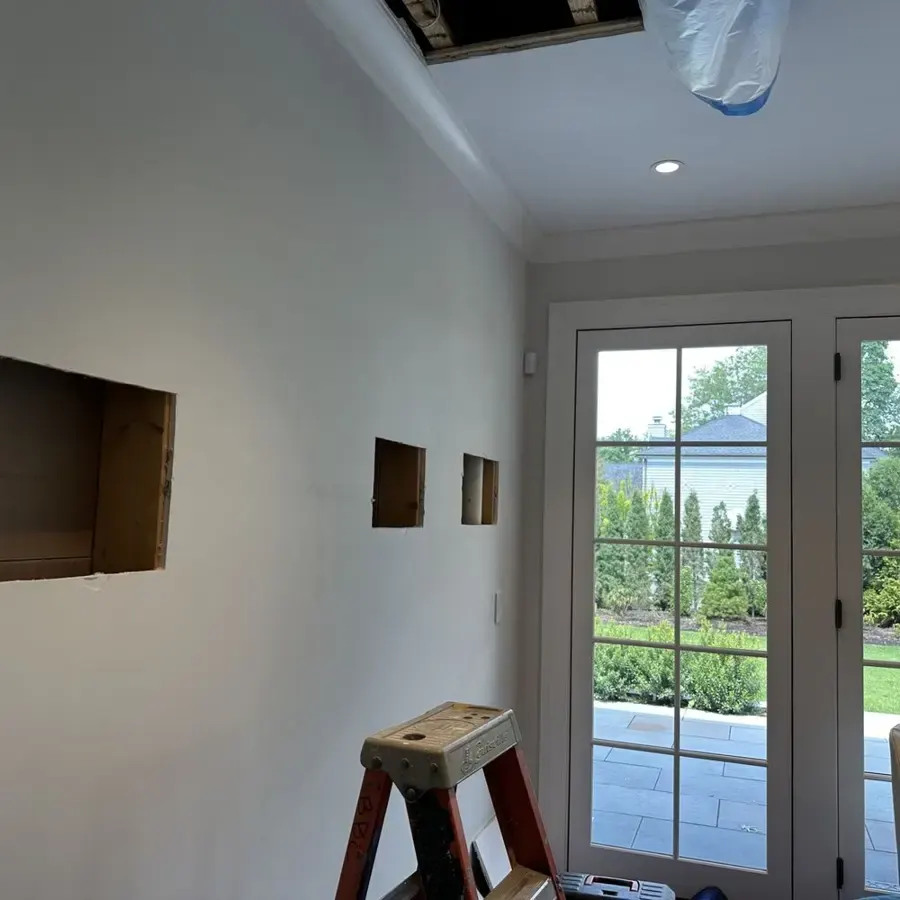
Many older Somerville houses are balloon framed, with wall cavities that run from the basement to the attic. Water that enters on an upper floor can travel down inside those cavities. Thermal imaging and pinless meters follow it, and small access openings let air into the cavity. The EPA indoor air quality pages explain why moisture control matters, and NIST publishes building science research. See emergency water removal for the step that comes first.
The Somerville restoration crew works 02143, 02144 and 02145, from Union Square and Winter Hill to Davis Square and Ten Hills, plus nearby Cambridge, Medford, Arlington, Charlestown, Everett.
See every Somerville neighborhood coveredFans move surface moisture around. Structural drying measures the water inside materials, sizes air movers and dehumidifiers to the load and verifies the result with readings.
A reading from the same kind of material in an unaffected part of the building. Wet materials are dried until they read within 2 to 4 points of it.
Plaster is denser and thicker, and lath and framing behind it hold water, so it releases moisture more slowly.
A low grain refrigerant dehumidifier pulls more water out of the air than a household unit, keeping humidity low enough for dense materials to dry.
For Class 4 materials like hardwood, plaster and masonry, and in cold spaces where refrigerant units lose efficiency.
A contained Class 1 loss usually dries in three to five days. Hardwood, plaster and masonry take longer, and equipment leaves on readings.
Surface-dry is not dry. Readings against a dry reference show when the structure is really ready for repairs.