$2,000 to $6,000
Unfinished, clean water
- Pump-out and extraction
- Floor cleaning
- Dehumidifiers on masonry
Somerville basements are low, old and shared. The extraction crew pumps them out, clears soaked storage, cleans the floor and dries the foundation walls and framing to a verified reading.
(888) 629-3140Basement under water? Call to pump it out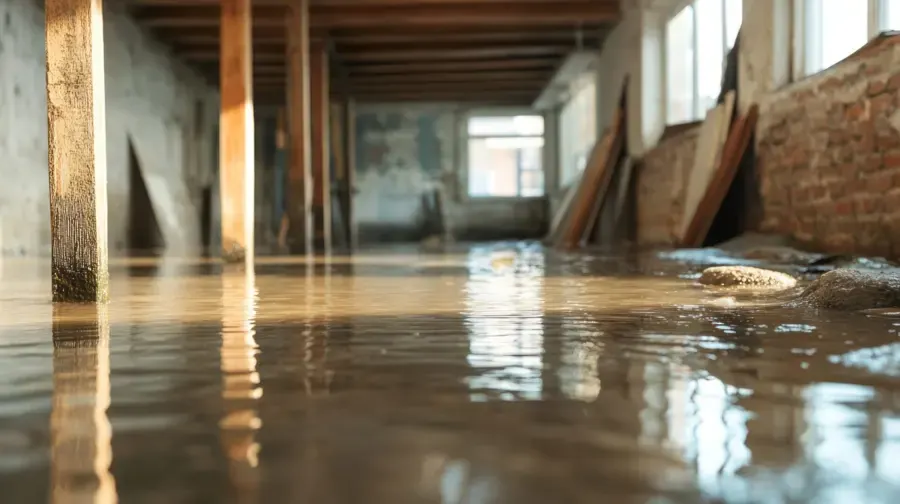
If water is near the panel, boiler or outlets, stay upstairs until the power is off.
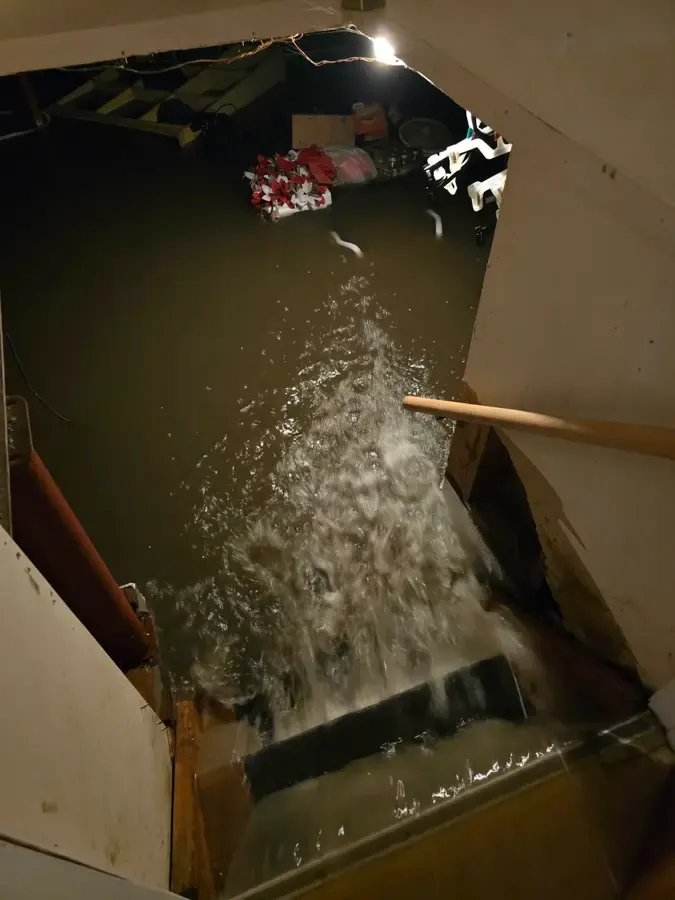
Floor drain, foundation wall, water heater or a pipe above: the source sets the water category.
In a shared basement, every owner's storage and utilities are part of the loss.
Take photos of the water depth on walls, the source and damaged storage before moving it.
The response team covers every Somerville ZIP day and night, because basement water reaches boilers and panels quickly.
Fieldstone, brick and concrete hold water, so desiccant or LGR dehumidification runs until the readings say dry.
Waterline photos, the source, the category and daily readings go into one file for the adjuster.
Low ceilings, narrow bulkhead stairs and shared storage are routine in local basements.
In Somerville, MA, basement flood cleanup typically runs $2,000 to $6,000 for a clean-water leak in an unfinished basement and $6,000 to $18,000 or more for a finished basement or a storm or drain backup. The water category, the square footage, the depth of the water and whether walls were finished set the range.
For a planning number on your own loss, try the water damage cost calculator. The final figure comes from the on-site walkthrough and the moisture map.
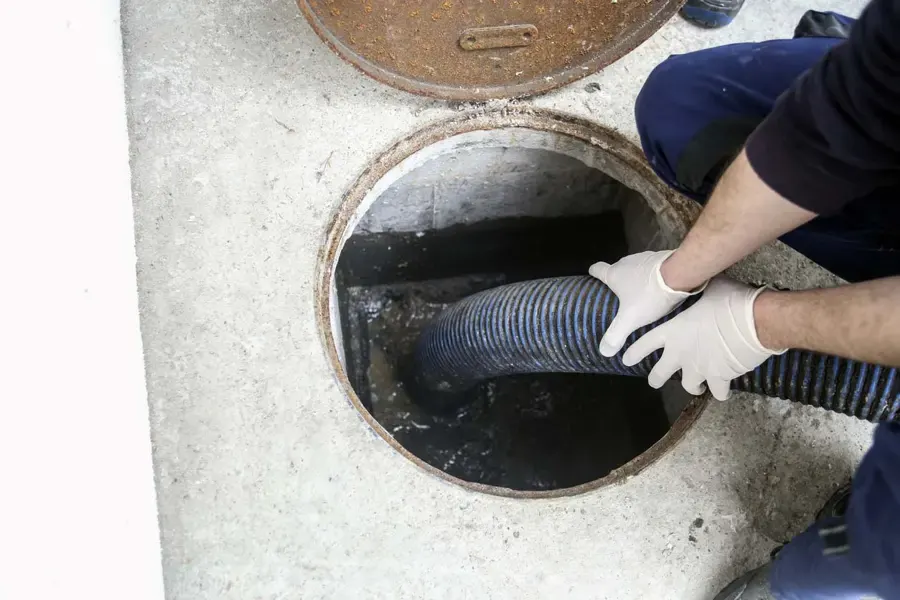
Submersible pumps and truck-mounted extraction remove standing water down to the slab or dirt floor.
Soaked storage is moved out and photographed; porous items touched by dirty water are set aside for the claim.
Floors and lower walls are cleaned, and an EPA-registered antimicrobial goes on where the water was Category 2 or 3.
Dehumidifiers and air movers run until the sill, framing and walls reach the drying goal.
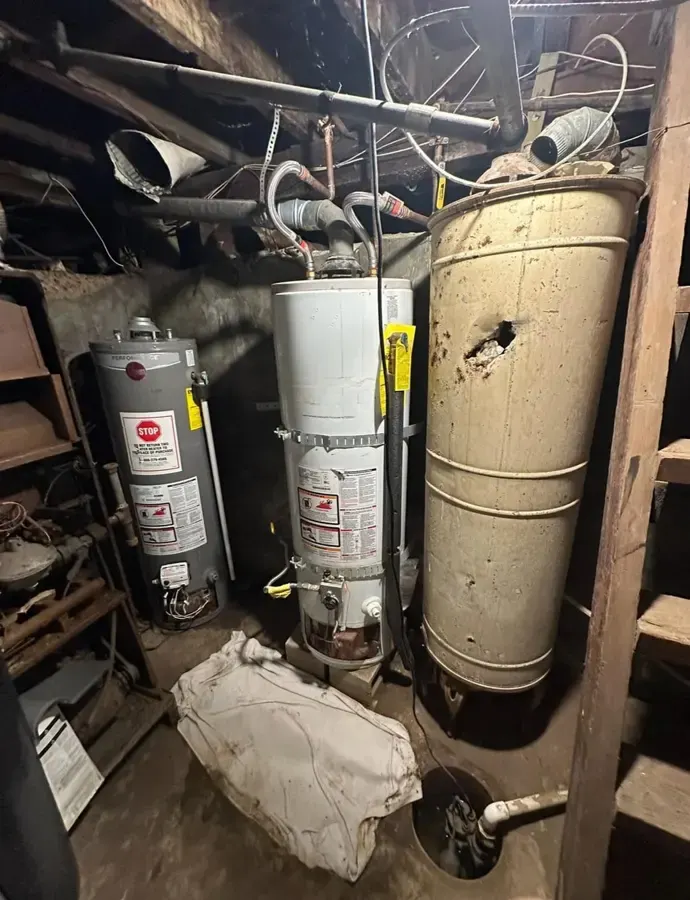
Basement flood cleanup in Somerville deals with some of the oldest basements in the region: fieldstone and brick foundations, low ceilings, a dirt or thin concrete floor in places, and one shared space holding the boiler, the water heaters and the storage for every unit in the building. When water gets in, the restoration team treats the whole basement as one loss, even when three owners share it.
Fieldstone and brick soak up water and give it back slowly. The sill plate and first-floor joists above a flooded basement also take on moisture, and that wood matters more than the walls. The drying team runs LGR dehumidifiers, adds desiccant units for dense Class 4 materials and points air movers at the framing. Daily readings compare the wet wood to a dry reference, and the equipment stays until the numbers match.
Finished basements take more work. Carpet and pad usually come out, and a flood cut removes the lower part of the drywall so the cavity can dry. The structural drying page explains the goal the readings are held to.
If the water rose from a floor drain, a toilet or the street, it is Category 3 the moment it happens. Containment, protective gear and an EPA-registered antimicrobial come before drying, as described on the sewer backup cleanup page. The EPA's flooded homes page and FEMA's flood insurance page explain the health side and the coverage side.
The Somerville restoration crew works 02143, 02144 and 02145, from Union Square and Winter Hill to Davis Square and Ten Hills, plus nearby Cambridge, Medford, Arlington, Charlestown, Everett.
See every Somerville neighborhood coveredOlder combined sewers surcharge in heavy rain and push water up floor drains, while street runoff comes down bulkheads and through old foundation joints.
Yes. Masonry dries slowly, so dehumidifiers run longer, but the goal is the same: readings within 2 to 4 points of a dry reference.
Each owner's items are photographed and sorted. Porous items touched by Category 3 water are usually discarded; hard items are cleaned.
If water reached the boiler, burner or water heater controls, have a heating technician check them before running them again.
An unfinished basement with clean water often dries in four to six days. Finished basements and masonry soaked for days take longer.
A burst pipe is commonly covered as sudden and accidental discharge. Drain backups often need a sewer backup endorsement, and rising surface water falls under flood coverage. Coverage depends on your policy, so it is worth checking with your own insurer.
Groundwater, storm water and plumbing leaks all end up at the bottom of the building. Getting it pumped out fast protects the heat, the water heater and everyone's storage.