$1,000 to $4,000
One or two rooms
- Ceiling and wall cavity drying
- Small access openings
- Three to five days
Snow melts on a warm roof, refreezes at the cold edge and backs water under the roofing into top-floor ceilings and walls. The drying team extracts the water and dries plaster and framing to a verified reading.
(888) 629-3140Ice dam leaking inside? Call now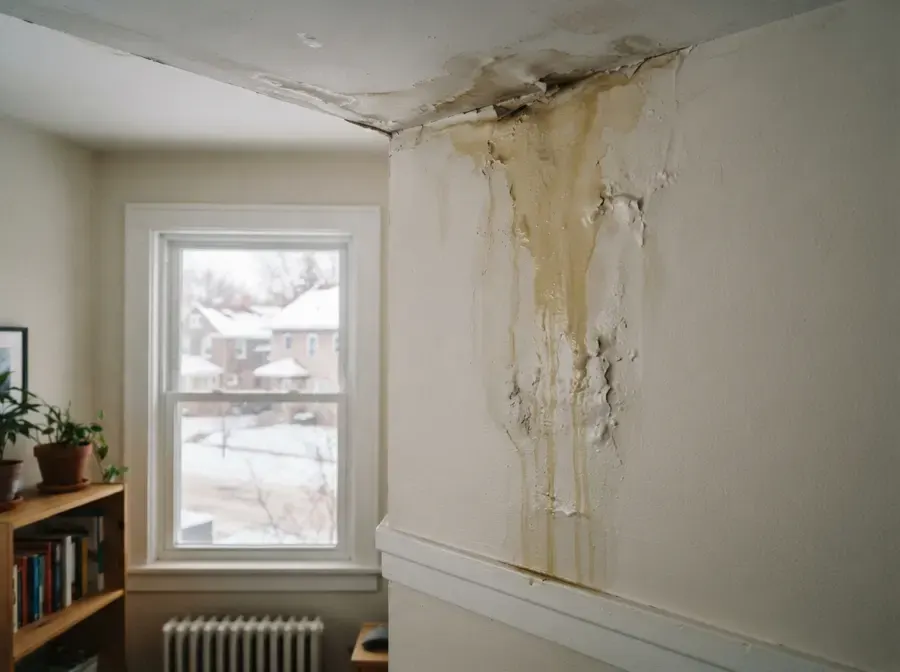
Buckets and towels under drips at ceilings, window heads and corners.
Chipping ice on a slippery roof is dangerous and damages roofing; leave it to roofers.
A roof rake from the ground takes load off the edge.
Pictures of the ice dam outside and the stains inside help the claim.
The response team works across Somerville through winter storms, when ice dam calls come in waves.
Ceiling and exterior wall cavities are mapped and dried, not just the visible stain.
Photos of the ice outside, the stains inside and daily readings go into the file.
Low-slope triple-decker roofs, deep cornices and top-floor units are where local ice dams hit.
In Somerville, MA, ice dam leak cleanup typically runs $1,000 to $4,000 for stains and wet plaster in one or two top-floor rooms and $4,000 to $12,000 when meltwater ran down the walls into several rooms or the unit below. How long the leak ran and whether insulation was soaked set the number.
For a planning number on your own loss, try the water damage cost calculator. The final figure comes from the on-site walkthrough and the moisture map.
Thermal imaging shows the wet band along the roof edge and down the exterior walls.
The extraction crew removes water from floors and protects contents from further drips.
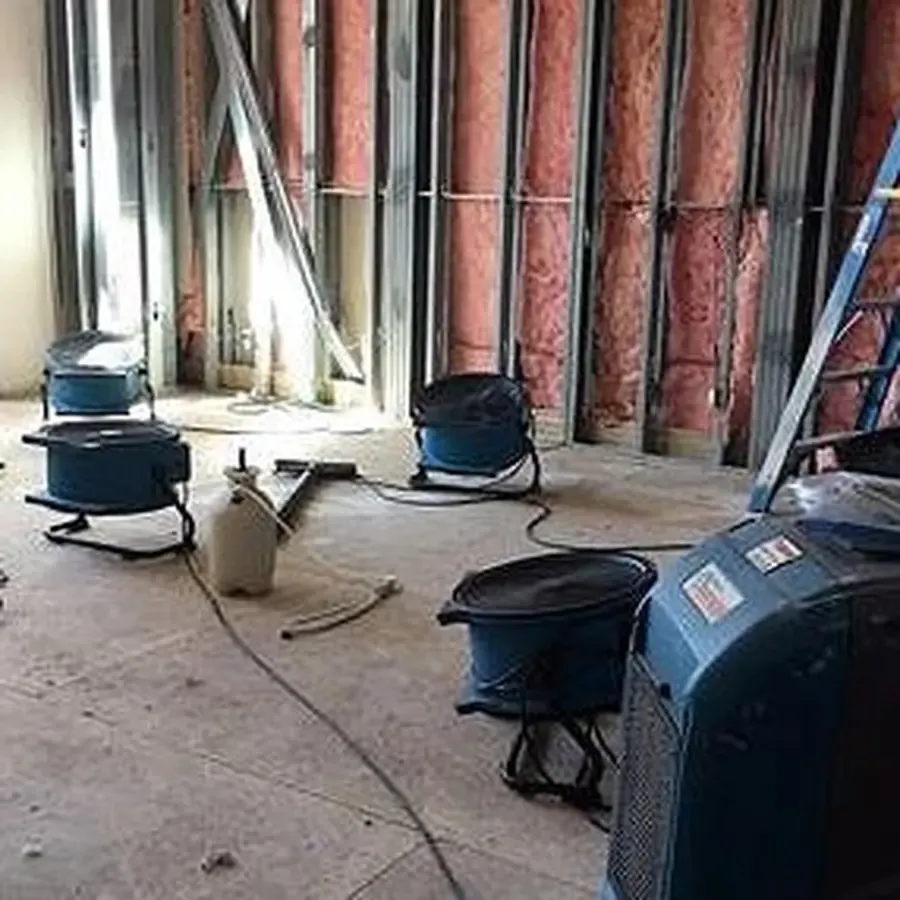
Access openings and wet insulation removal let air movers and dehumidifiers dry the cavity.
Daily readings continue until plaster and framing reach the drying goal.
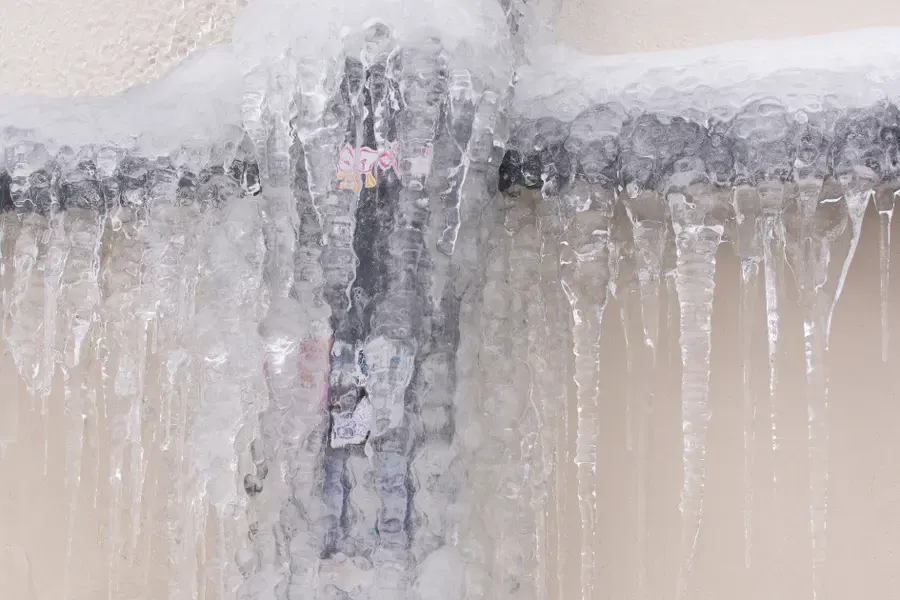
Ice dam leak cleanup is a February and March job across Somerville. A heavy snow followed by cold nights and sunny days is the classic setup. Heat escaping from the top-floor unit warms the roof deck, snow melts, and the meltwater refreezes at the cold roof edge above the cornice. The ridge of ice holds back more water, which works its way under the roofing and into the top-floor ceiling and walls.
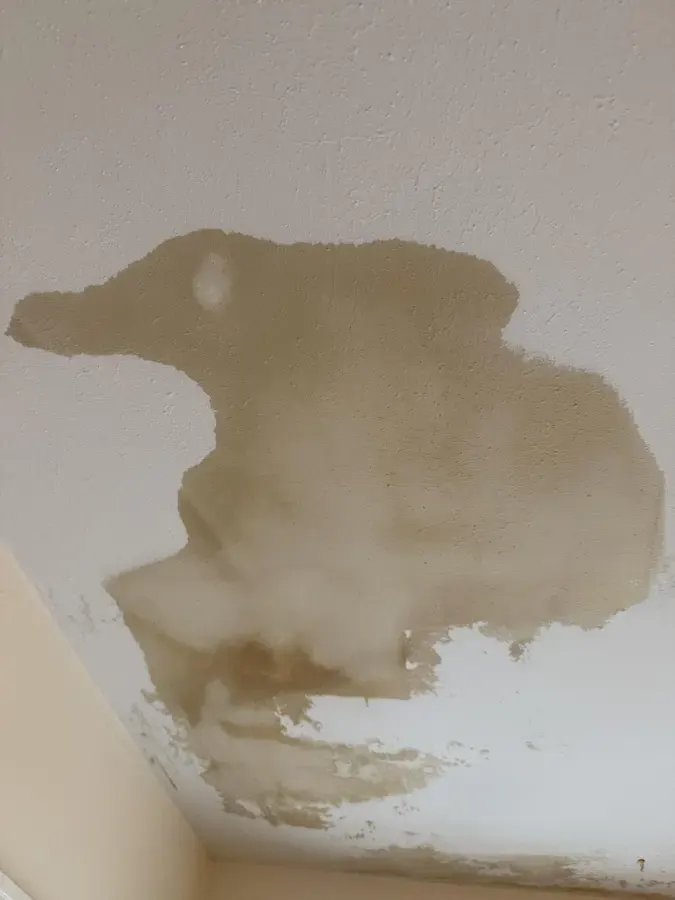
Ice dam water usually appears as stains along the top-floor ceiling near exterior walls, drips at window heads, and peeling paint on the upper walls. By the time a stain shows, water has often soaked insulation in the ceiling and run down inside the exterior wall. The drying team maps the wet band with thermal imaging and pinless meters, removes soaked insulation, and dries the ceiling and wall cavities with air movers and LGR dehumidifiers. Meltwater is clean Category 1 water, so plaster can often be dried in place when drying starts early.
Drying handles the interior damage; roofers and insulation contractors handle the cause through air sealing, insulation and ventilation, and sometimes ice and water membrane at the edge. The Energy Saver pages explain air sealing and insulation, and the National Weather Service winter safety page covers storms. For rain leaks through the roof, see flat roof leak water damage.
The Somerville restoration crew works 02143, 02144 and 02145, from Union Square and Winter Hill to Davis Square and Ten Hills, plus nearby Cambridge, Medford, Arlington, Charlestown, Everett.
See every Somerville neighborhood coveredHeat from the home melts snow on the roof, and the water refreezes at the colder roof edge, building a ridge of ice that traps more meltwater.
No. Chipping ice damages roofing and is dangerous. A roof rake from the ground or a roofing crew with steam equipment is safer.
Ice dams form at the roof edge, so water enters above the exterior walls and shows along the top of those walls first.
Soaked insulation usually comes out so the cavity can dry, then gets replaced once readings are dry.
Three to five days for a contained area is common. Plaster and exterior walls in cold weather can take longer.
Interior water damage from an ice dam is often covered, while removing the ice and fixing the roof may not be. Coverage depends on your policy, so it is worth checking with your own insurer.
Meltwater runs inside the wall long before it shows. Mapping and drying the cavities now prevents a bigger repair in spring.