$2,500 to $7,000
Small area, hard floor
- Containment and PPE
- Cleaning and antimicrobial
- Short drying period
Sewage backup is Category 3 the moment it happens. The mitigation team contains the area, removes contaminated porous materials, applies an EPA-registered antimicrobial and dries what is left to a verified reading.
(888) 629-3140Sewage in the basement? Call for cleanup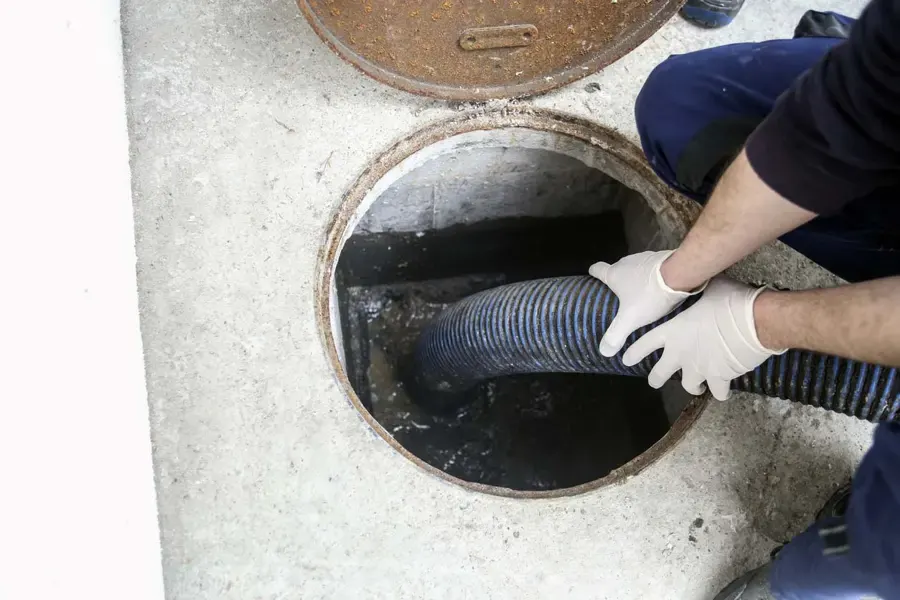
Sewage carries bacteria and viruses. Nobody walks through it without boots and gloves.
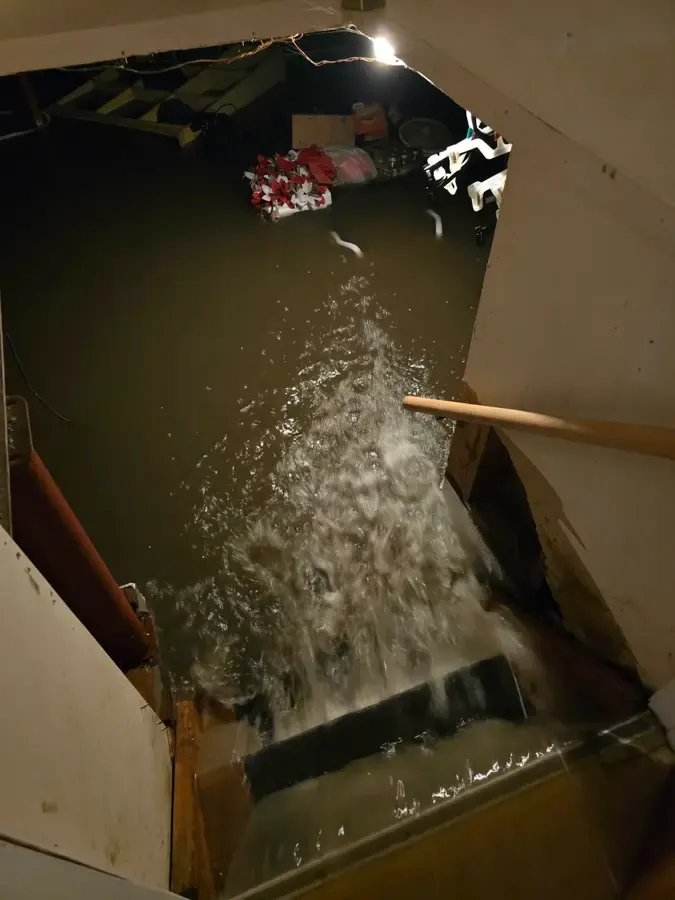
Every flush or shower in the building can push more sewage into the basement.
Only from a dry panel; never stand in sewage to reach a switch.
Take photos of the level and the source, then leave the cleanup to crews in protective gear.
The response team treats sewage calls as urgent at any hour across Somerville, because contamination spreads as water wicks up.
Porous materials touched by sewage get removed; hard surfaces are cleaned and treated before drying starts.
The file records the source, the category, what was removed and why, plus daily readings.
Combined sewers, floor drains and shared basements make backflow a familiar Somerville loss.
In Somerville, MA, sewer backup cleanup typically runs $2,500 to $7,000 for a small backup confined to a floor drain area and $7,000 to $20,000 or more when sewage spreads across a finished basement or first floor. The square footage, how much porous material is removed and how long the sewage sat drive the cost.
For a planning number on your own loss, try the water damage cost calculator. The final figure comes from the on-site walkthrough and the moisture map.
The mitigation team sets containment and negative air so contamination does not travel to clean rooms.
Sewage is extracted, and carpet, pad, drywall and other porous materials it touched are bagged and removed.
Hard surfaces are cleaned, then treated with an EPA-registered antimicrobial at its label dwell time.
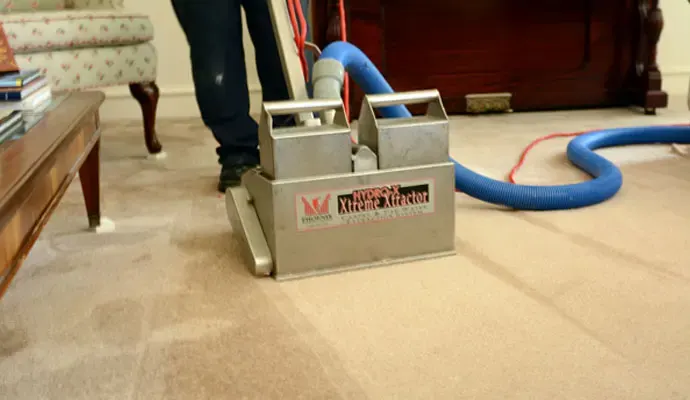
Air movers and dehumidifiers dry the structure, and readings confirm the drying goal before rebuild.
Sewer backup cleanup in Somerville follows a different set of rules from a clean-water leak. Sewage is Category 3 water the moment it enters the building, and it carries bacteria, viruses and other contaminants into everything it touches. The mitigation team works in protective gear, contains the area and removes contaminated porous materials before any drying begins.
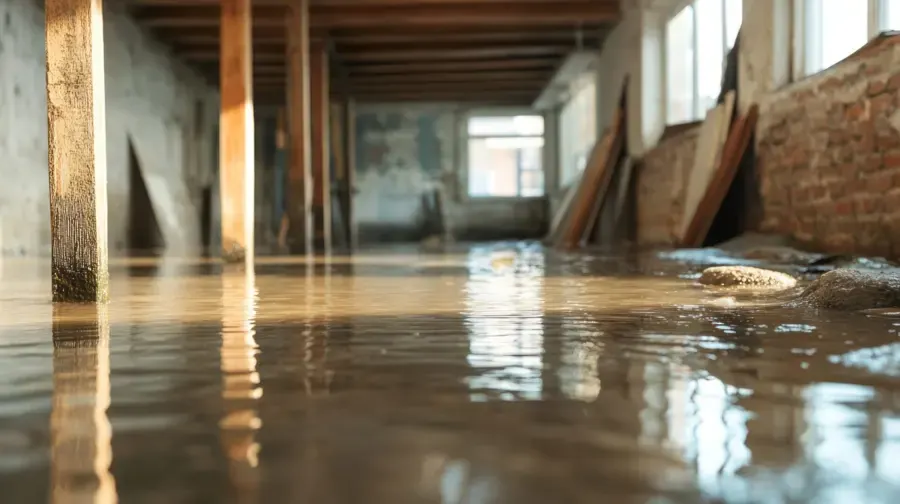
Much of Somerville was built on older combined sewers, where storm water and household waste share the same pipe. In a heavy rain or a nor'easter, those pipes can fill, and water rises in the building sewer until it finds the lowest opening, usually a basement floor drain, a basement toilet or a laundry standpipe. Low streets around Union Square and lower Somerville Avenue have a long history of storm flooding. A blocked or root-damaged lateral between the house and the street causes backups in dry weather too.
Porous materials touched by Category 3 water get removed, not dried: carpet and pad, drywall below the flood cut, insulation, upholstered furniture and cardboard storage. Hard materials, such as concrete, sealed tile, metal and most framing, are cleaned, treated with an EPA-registered antimicrobial and dried. HEPA air scrubbers run during the work to capture airborne particles. The CDC and the EPA's combined sewer overflow page explain the health risk and the sewer system behind it.
Once contaminated materials are out and surfaces are treated, the job becomes a structural dry-out like any other: moisture mapping, air movers, LGR dehumidifiers and daily readings until the framing and masonry reach the drying goal. See basement flood cleanup for how old fieldstone and brick basements are dried.
The Somerville restoration crew works 02143, 02144 and 02145, from Union Square and Winter Hill to Davis Square and Ten Hills, plus nearby Cambridge, Medford, Arlington, Charlestown, Everett.
See every Somerville neighborhood coveredIt is not recommended. Sewage is Category 3 water, and cleanup needs protective gear, containment and proper disposal of contaminated materials.
In older combined sewers, storm water and waste share the pipe. When it fills in heavy rain, water rises in the building sewer and exits at the lowest drain.
No. Carpet and pad touched by Category 3 water are removed. Hard flooring and concrete are cleaned and treated instead.
Once contaminated porous materials are removed, surfaces are treated and the area is dried, the odor source is gone. HEPA air scrubbers help during the work.
A properly installed and maintained backwater valve stops most sewer backflow into the building. A plumber can check whether one fits your sewer line.
Often only with a sewer or drain backup endorsement added to the policy. Coverage depends on your policy, so it is worth checking with your own insurer.
Black water spreads bacteria and odor into everything porous. Containment and removal come first, before any drying.